![ELEMENT[AL]](https://www.dynamiki-sa.gr/uploads/1/image_png/o_1j1b5qeal171f6oe1vcra0tf3ir.png)
-
 SO'VIVE
-
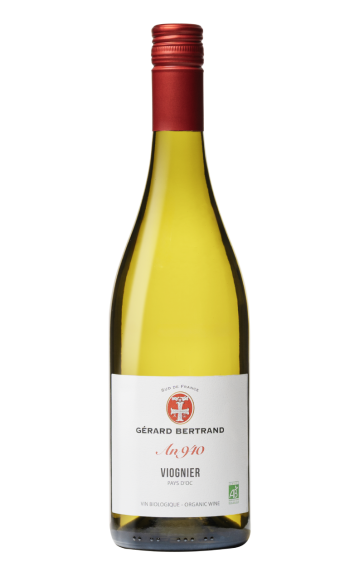 HÉRITAGE "AN 940" VIOGNER
-
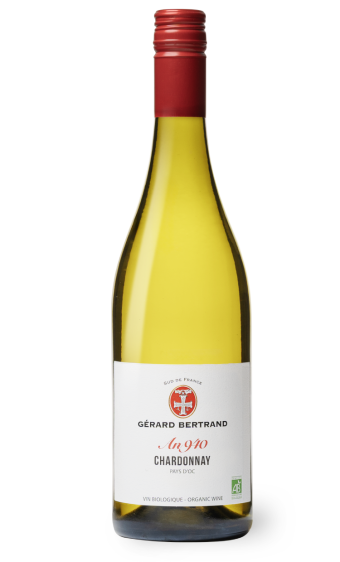 HÉRITAGE "AN 940" CHARDONNAY
-
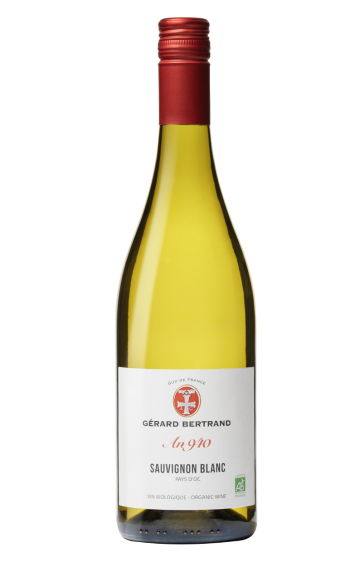 HÉRITAGE "AN 940" SAUVIGNON BLANC
-
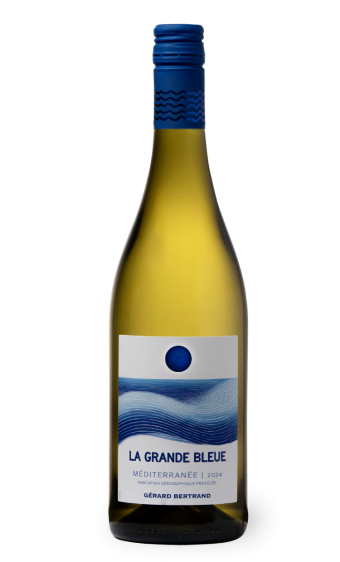 LA GRANDE BLEUE
-
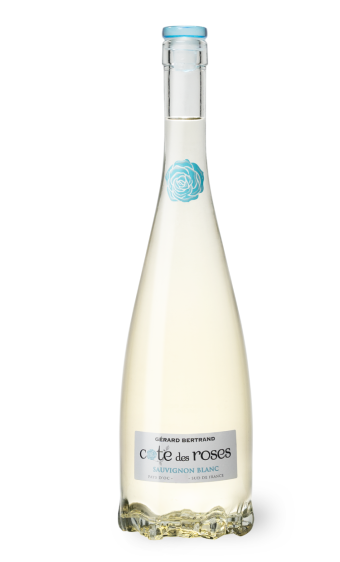 COTE DES ROSES SAUVIGNON BLANC
-
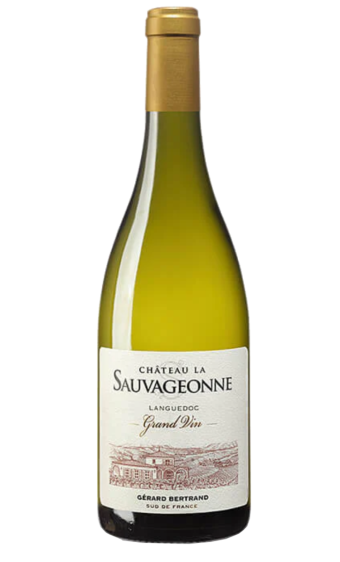 CHÂTEAU LA SAUVAGEONNE GRAND VIN BLANC
-
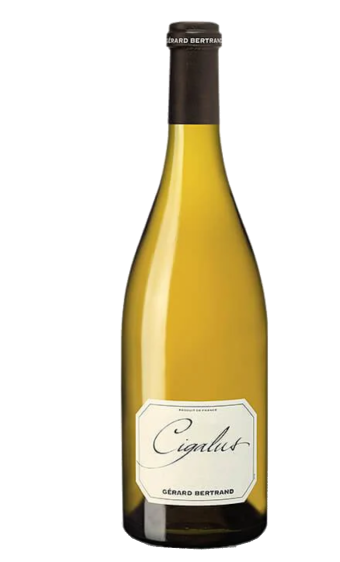 CIGALUS BLANC
-
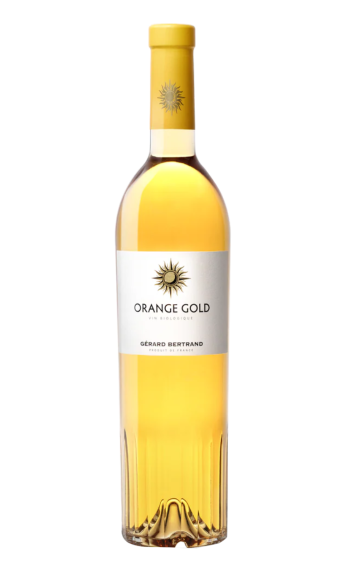 ORANGE GOLD
-
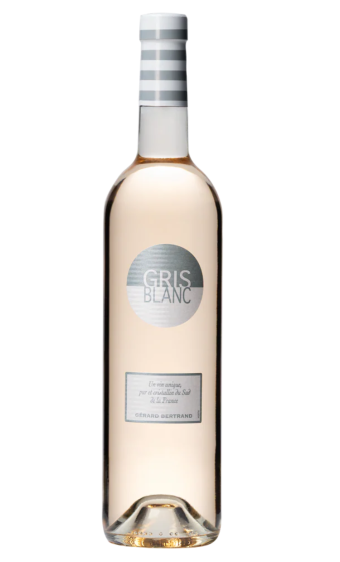 GRIS BLANC
-
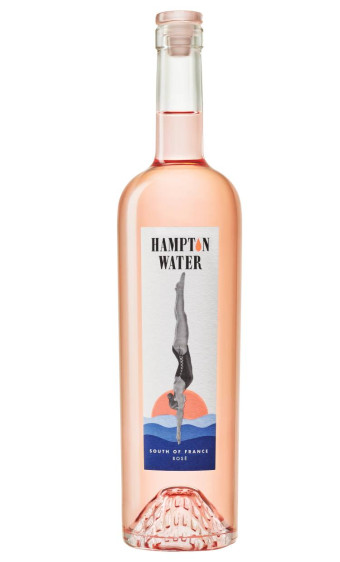 HAMPTON WATER
-
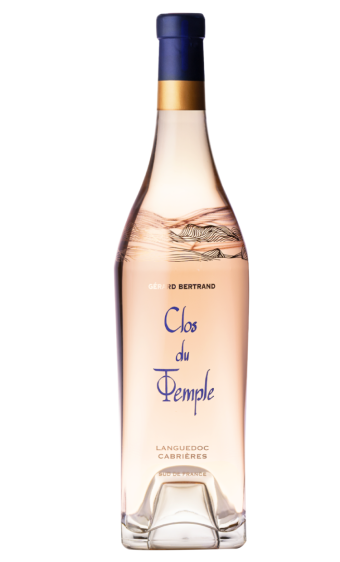 CLOS DU TEMPLE
-
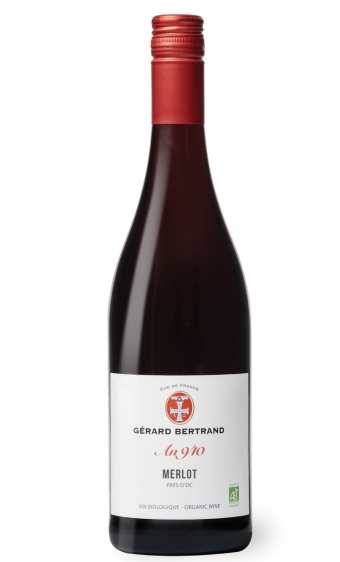 HÉRITAGE "AN 940" MERLOT
-
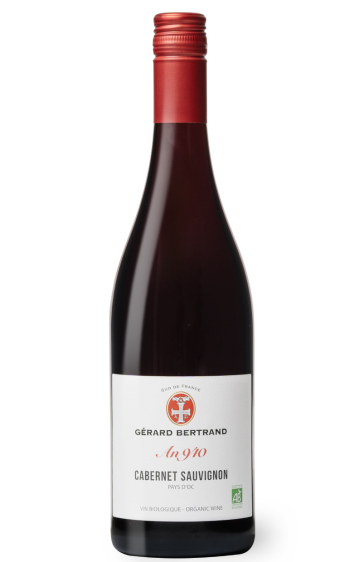 HÉRITAGE "AN 940" CABERNET SAUVIGNON
-
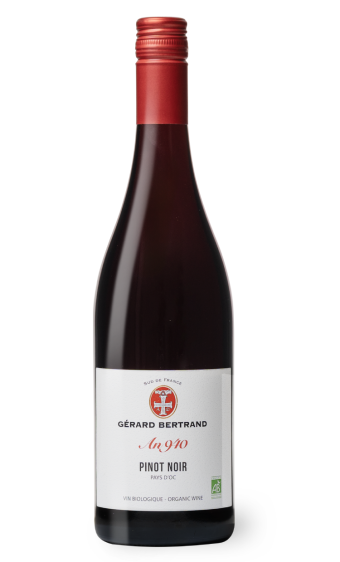 HÉRITAGE "AN 940" PINOT NOIR
-
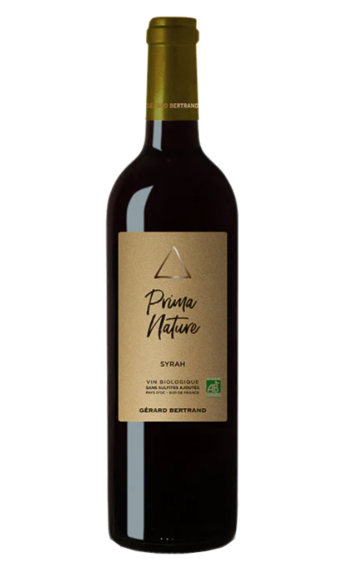 PRIMA NATURE SYRAH
-
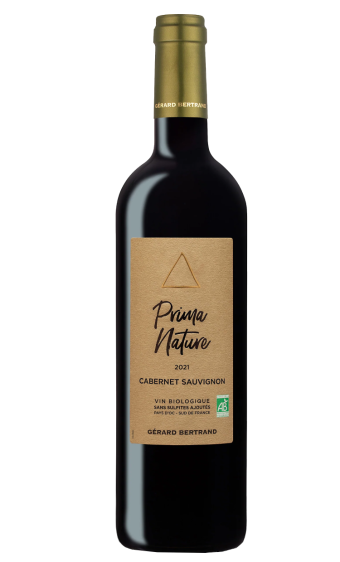 PRIMA NATURE CABERNET SAUVIGNON
-
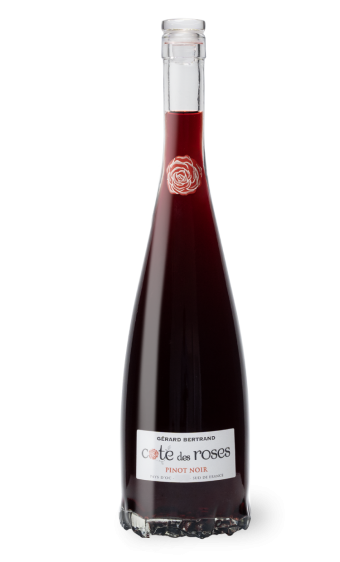 COTE DES ROSES PINOT NOIR
-
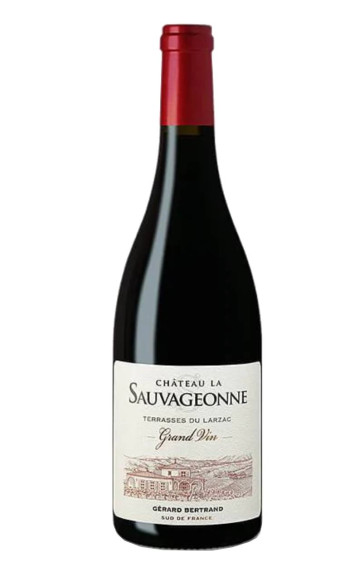 CHÂTEAU LA SAUVAGEONNE GRAND VIN ROUGE
-
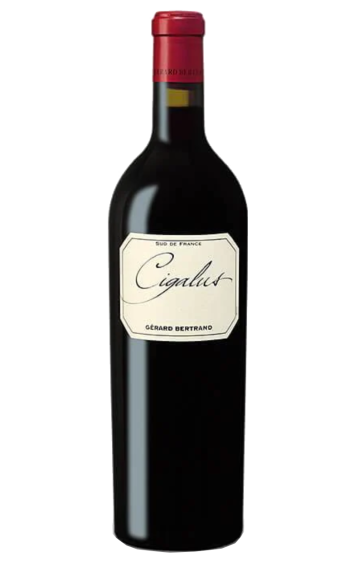 CIGALUS ROUGE
-
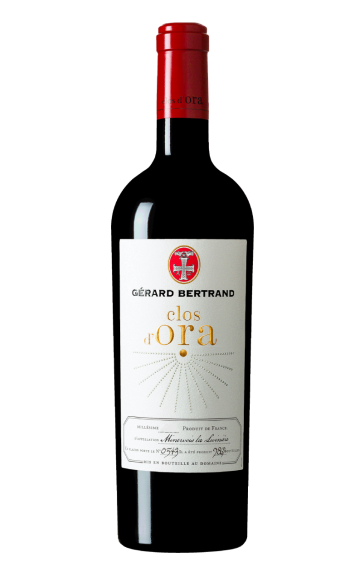 CLOS D'ORA
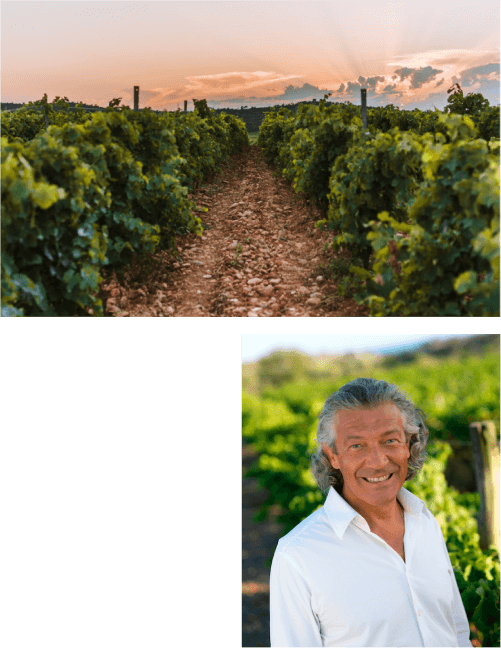
Gérard Bertrand cultivates more than just vines: he cultivates excellence, sustainability, and a deep passion for wine. A passion that has been passed down from generation to generation and is reflected in every bottle as authentic Art de Vivre.
With a presence in 17 distinct regions and more than 930 hectares of biodynamic vineyards, Gérard Bertrand is now the world leader in biodynamic viticulture. Four generations of winegrowers pass on their knowledge, values, and respect for the land.
The story begins in 1975, with Gérard Bertrand's first harvest at Château de Villemajou, alongside his father George. The year 2002 marked a turning point: the start of biodynamic cultivation at Domaine de Cigalus, not as a trend, but as a profound philosophy of life. In 2024, a landmark year for 100 years of biodynamics worldwide, the Group will complete its transition to biodynamic farming, with 90% of its vineyards Demeter certified.
Gérard Bertrand is not just a winemaker. He is a visionary, an ambassador for the great terroirs of Languedoc and a champion of viticulture in perfect harmony with nature. The goal: to create great wines that express the soul of the terroir, with respect for the environment and future generations.
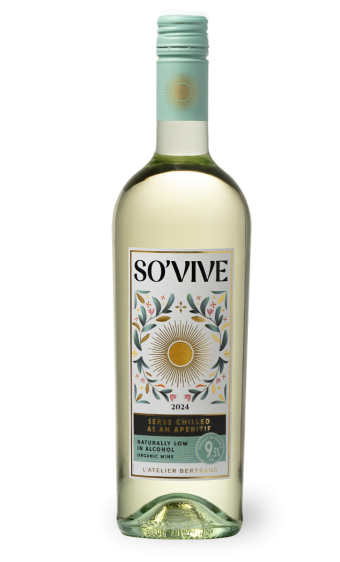
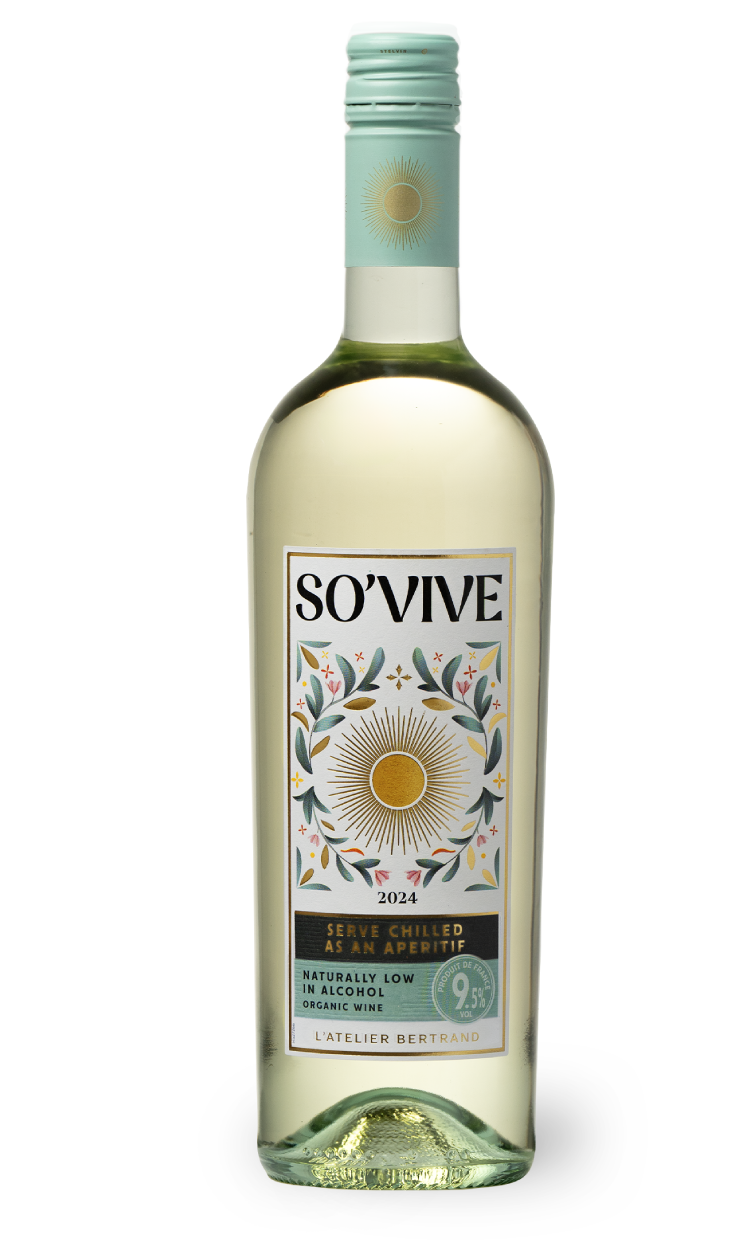
So’ Vive" is a light and refreshing wine, perfect for an aperitif, with its 9.5 degrees of alcohol. Each grape variety is harvested at full maturity, to capture the optimum aromatic expression. After gentle pressing, fermentation is partially stopped to maintain a balance between freshness and natural sweetness. No malolactic fermentation is carried out, preserving vibrant, refreshing acidity. Tasting notes. Its color is clear with silver highlights. The nose is very expressive, dominated by aromas of exotic fruits, white peach and orange blossom, typical of the Muscat. The Sauvignon brings hints of citrus and grapefruit. The palate is fresh and light, with a nice roundness due to residual sugar. Fruity notes explode on the palate with a soft, refreshing finish. The balance between acidity and sweetness offers good length.
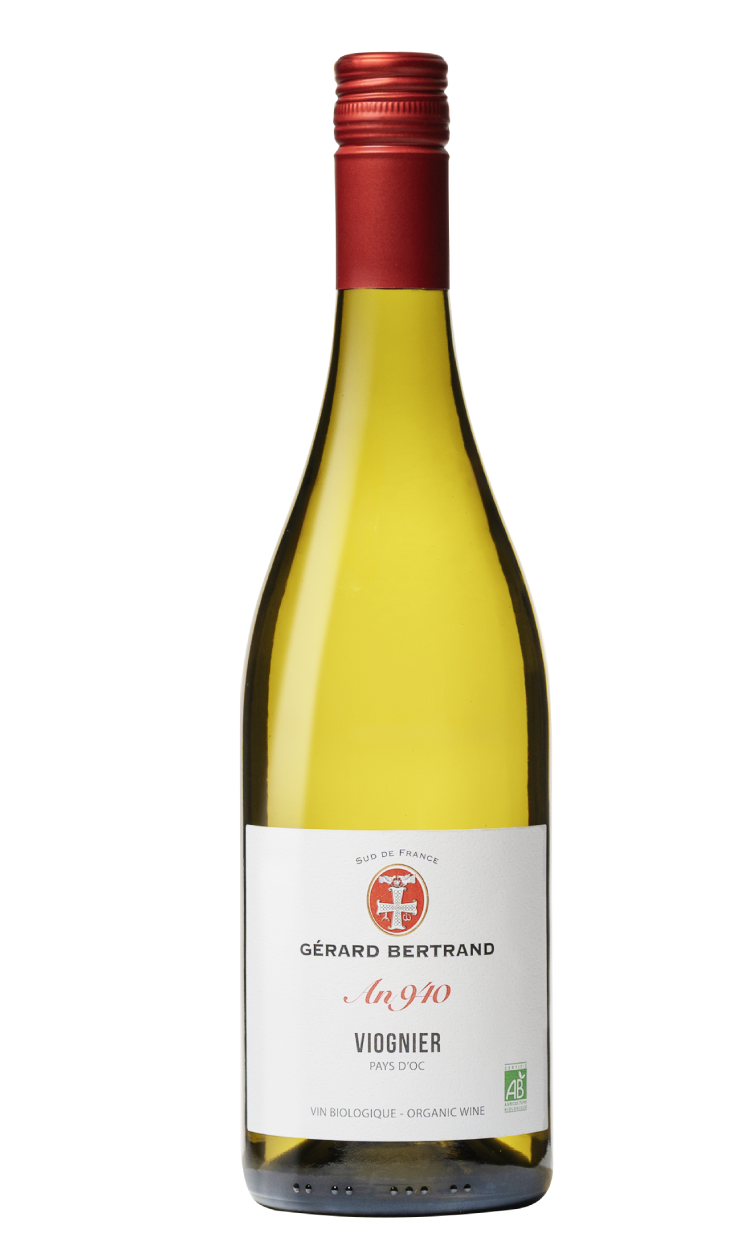
The nose reveals ripe pear, accompanied by subtle notes of zucchini. On the palate, the rich and full texture embraces the palate, highlighting intense flavors of ripe pear, peach, apricot, orange blossom, citrus, and a subtle woody note. The finish is balanced, leaving a soft, mineral sensation that lingers pleasantly.
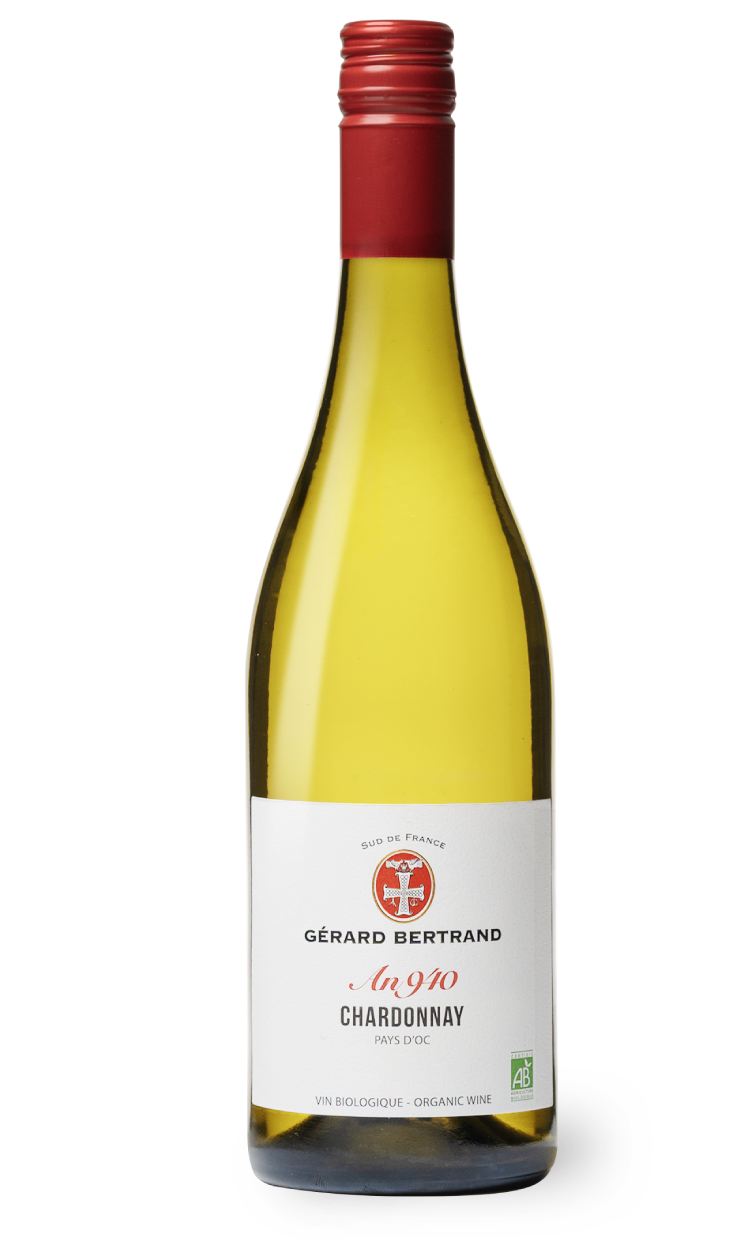
The Chardonnay grapes are harvested during the night to preserve their freshness. Upon arrival at the winery, the grapes are gently pressed, followed by alcoholic fermentation in stainless steel tanks. Part of the must is placed in barrels to complete fermentation. Golden color. The nose reveals aromas of vanilla, fresh butter, and toasted bread that captivate the senses. On the palate, the velvety texture envelops the palate, revealing notes of juicy peach, toasted almonds, and crème brûlée. The persistent finish, with its subtle acidity, lends unparalleled elegance to this Chardonnay, making it the ideal choice for lovers of rich and balanced wines.
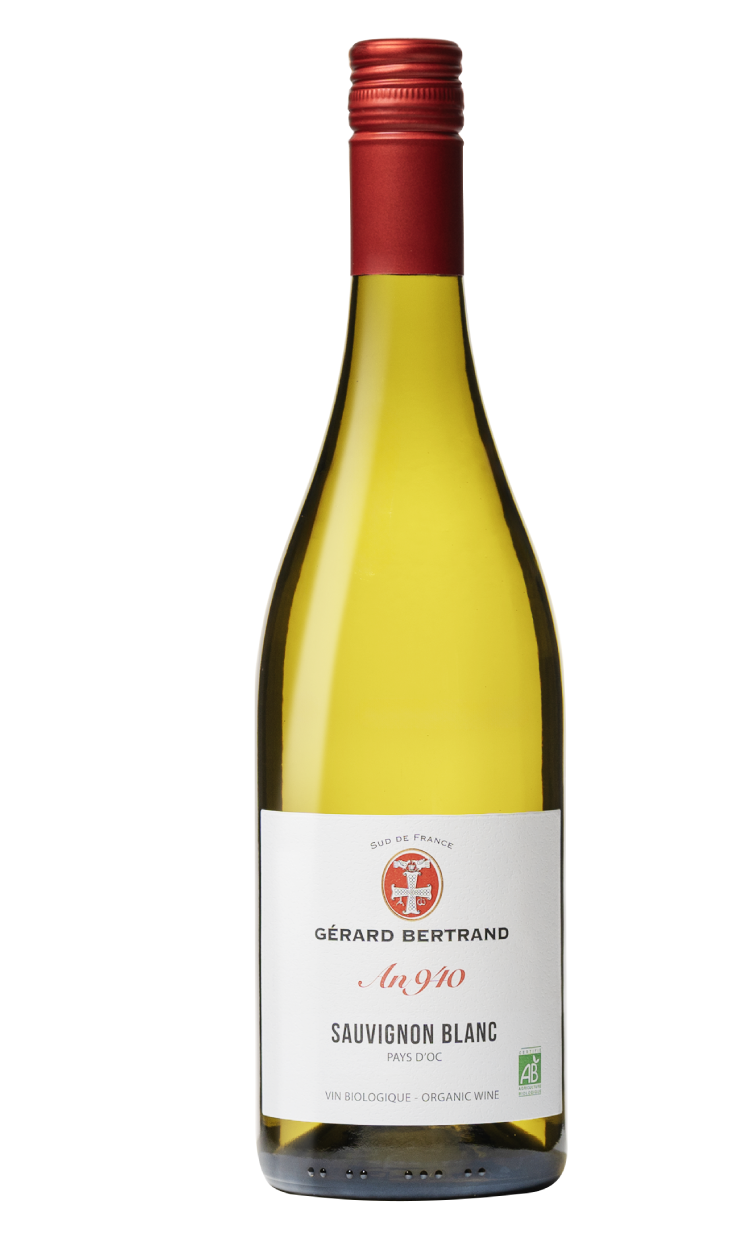
Sauvignon Blanc is a grape variety that ripens very early and requires a precise harvest date. The grapes are harvested during the night to preserve their freshness. Upon arrival at the winery, the grapes are gently pressed. Part of the wine is vinified and aged in 225-liter Bordeaux barrels for about 4 months, while the rest is vinified in stainless steel tanks. The resulting wine has a light yellow color. The nose reveals aromas of pineapple, lime, and a subtle hint of grapefruit. On the palate, the combination of juicy tropical fruits and citrus fruits is balanced by a rich, round texture, offering a full and satisfying body. The persistent finish leaves a sensation of elegance and freshness.
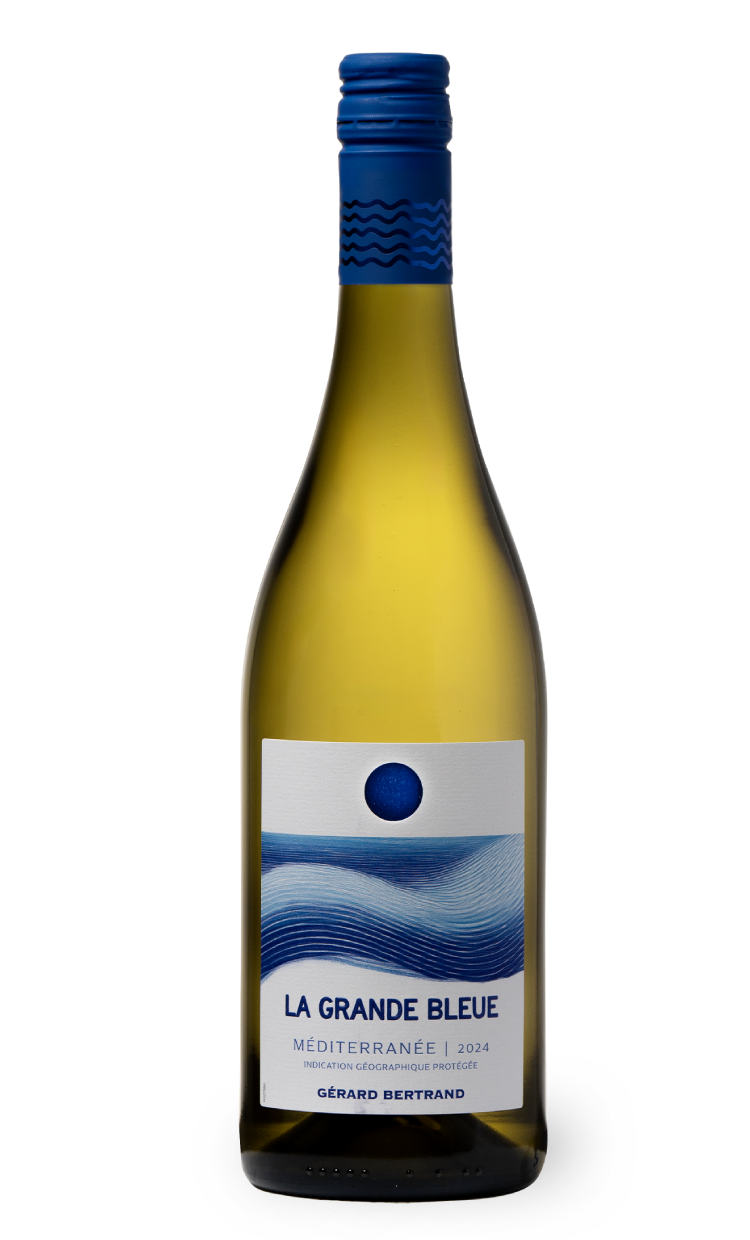
Cuvée La Grande Bleue embodies the spirit and beauty of the Mediterranean Sea, where generous sunshine and the mineral influence of the sea shape a unique terroir. This organic white wine highlights grape varieties that are emblematic of southern France, offering freshness and an aromatic palette centered on fruit.
Light yellow with subtle green highlights. The nose reveals intense aromas of white fruits, such as ripe pear and juicy peach, along with notes of lemon and grapefruit, while subtle floral touches (white flowers, honeysuckle) add elegance. Viognier adds a subtle exotic note. On the palate, liveliness and freshness are accompanied by intense minerality. Fruity with ripe peaches, pears, and a hint of citrus, while the finish remains long, salty, and elegant.
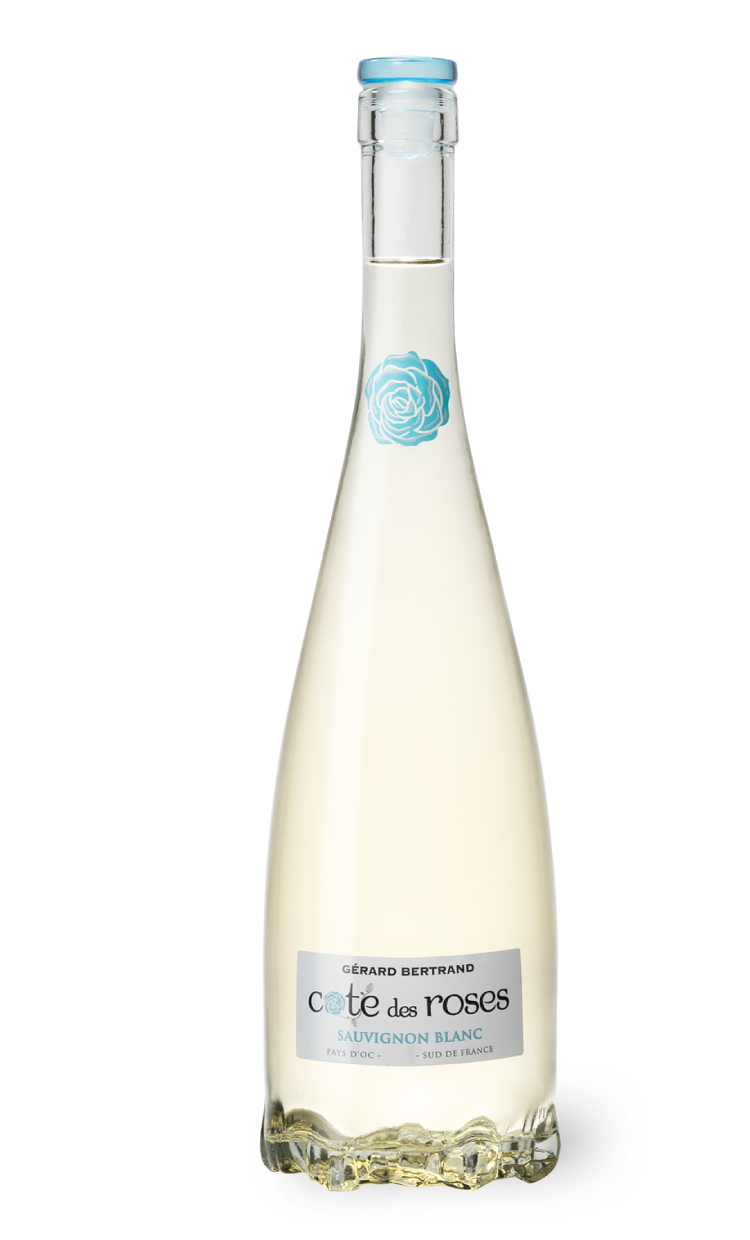
This Cote des Roses celebrates the MediterraneanArt de Vivre. The soil is highly varied, consisting mainly of the hard limestone of the garrigues, schistose soils and gravels brought in by the rivers of the Languedoc. The warm, windy climate ("semi-arid Mediterranean climate with mild winter variations") favors grape ripening and good health, while retaining coolness thanks to the altitude and the effect of the sea, which mitigates the high summer temperatures. The bottle, with its rose-shaped base, was created by a young designer from the Ecole Boulle. This wine is offered like a bouquet of roses!
This cuvée has a pale, crystalline golden color. golden color. A lovely roundness on the palate is provided by the terroirs of the South of France, allowing it to develop develop notes of guava and passion fruit, while its passion fruit, while its citrus aromas bring bring freshness and minerality.
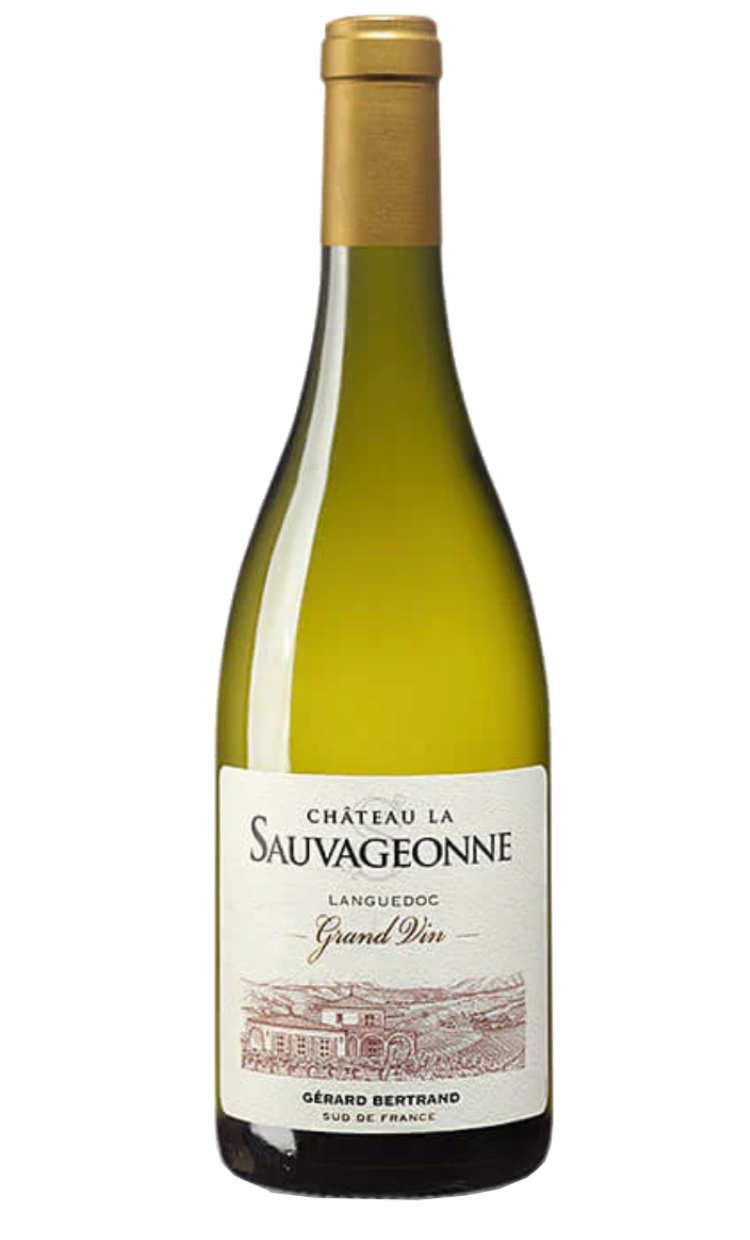
The La Sauvageonne Grand Vin Blanc, an organic white wine, is one of Gérard Bertrand's greatest successes in the Languedoc region, thanks to the exceptional terroir and careful vinification. The grapes are harvested by hand when they reach ideal ripeness and are gently pressed. The fermentation lasts 15 to 30 days and halfway through the process, part of the must is transferred to 225-liter barrels for about six months of aging with the lees, with regular stirring (bâtonnage). The final blend is bottled relatively early to preserve its wonderful freshness and intense fruitiness. Golden color. The nose is complex and extremely aromatic, with notes of almond, stone fruit, and mango, accompanied by subtle floral notes. Refined notes of gingerbread and distinctive smoke are revealed. The palate is rich and velvety, with intensity and freshness, offering a complex and pleasant flavor profile.
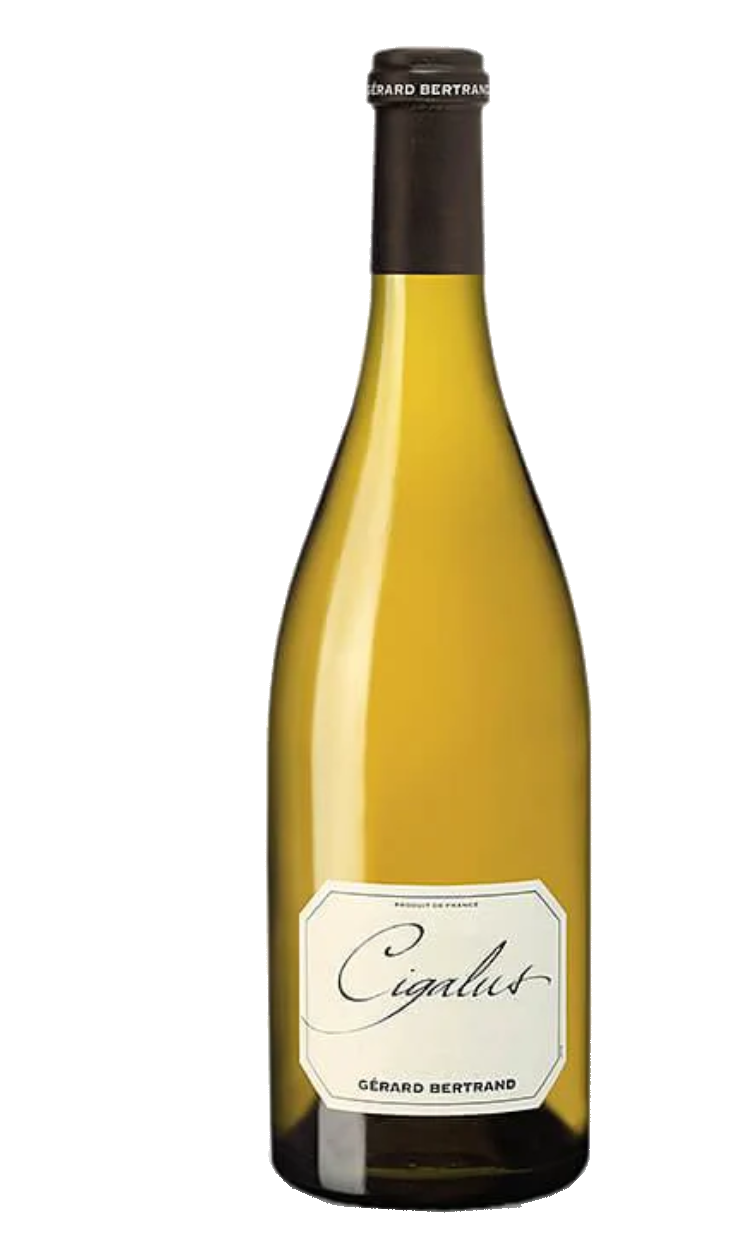
The Cigalus Blanc is considered one of Gérard Bertrand's iconic wines in the Pays d'Oc. It perfectly reflects the warm, sunny Mediterranean climate that favors the estate. The deep soils, mainly limestone sandstone, allow the grapes to ripen early, while maintaining low yields. The grapes come from a biodynamically cultivated vineyard, designed from the outset for the production of high-quality wine and perfectly reflecting finesse and complexity. The Chardonnay, Viognier, and Sauvignon Blanc grapes are harvested by hand. Seventy percent of the juice is fermented in new barrels, while the rest is vinified in stainless steel tanks. Malolactic fermentation takes place and ageing in barrels continues for 7 to 8 months — until the spring equinox — with regular stirring of the lees (bâtonnage). Before bottling, the wine undergoes light clarification to preserve its aromatic purity and freshness. Bright, clear golden yellow color. Intense and complex aromas of ripe citrus fruits (grapefruit), white peach, honey, and dried fruits on the nose, accompanied by a subtle hint of smoke. Full-bodied, velvety and ripe on the palate, with notes of vanilla, toasted bread, butter and exotic fruits. The finish is long and elegant.
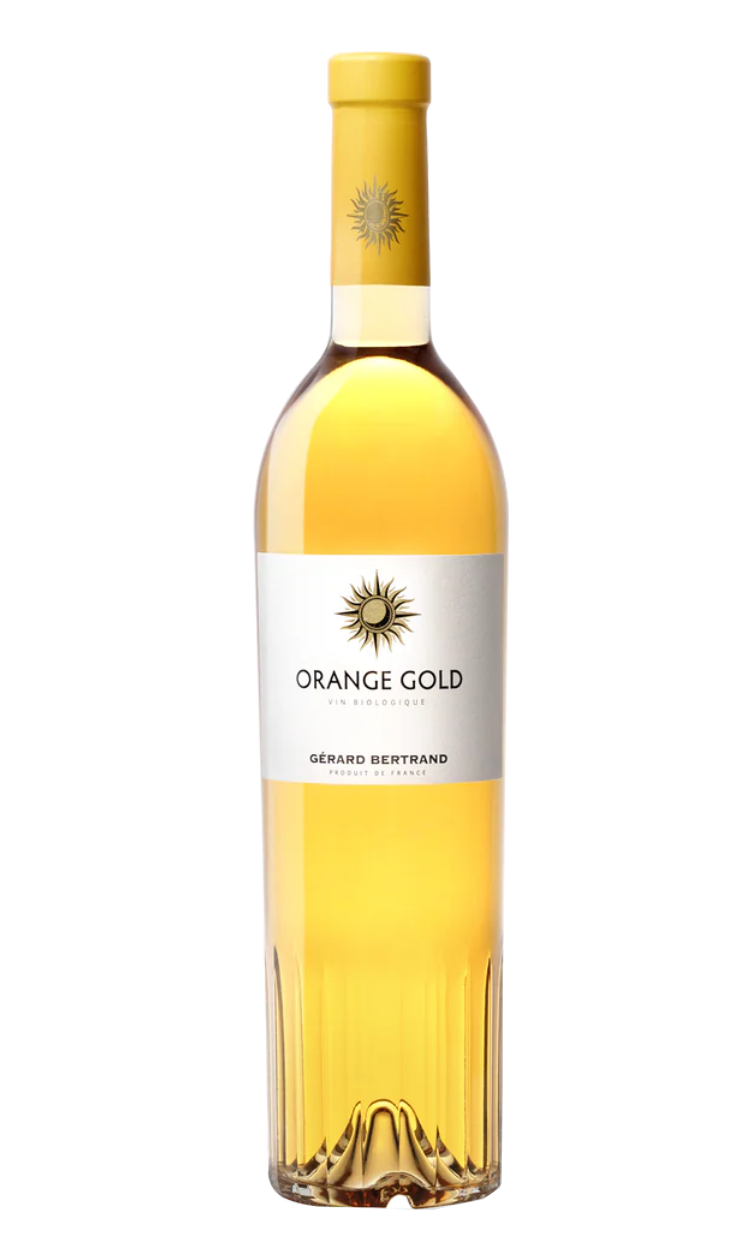
The white organic wine Orange Gold makes an impressive appearance in Gérard Bertrand's range, with an original style and an attractive orange color that captivates. It is produced from a unique blend of Mediterranean grape varieties: Chardonnay, Grenache Blanc, Viognier, Marsanne, Mauzac, and Muscat. Inspired by a traditional winemaking technique, it pays tribute to the authentic orange wines first produced in Georgia 4,500 years ago, offering a modern, sparkling version that has been perfected. It is produced by extracting whole bunches of white grapes, as is done with red wine, giving the wine its characteristic orange color and delicate, unique tannic profile. Certified organic, Orange Gold reflects Gérard Bertrand's commitment to meticulous work in the vineyard and the authentic expression of each terroir. The nose is highly complex, with an intense but refined aromatic character and exceptional freshness, dominated by notes of peach, apricot, and quince. On the palate, the wine is round and velvety. The delicate, balanced tannins give it structure and intensity, while the harmony and length on the finish reveal a wine of great complexity and depth.
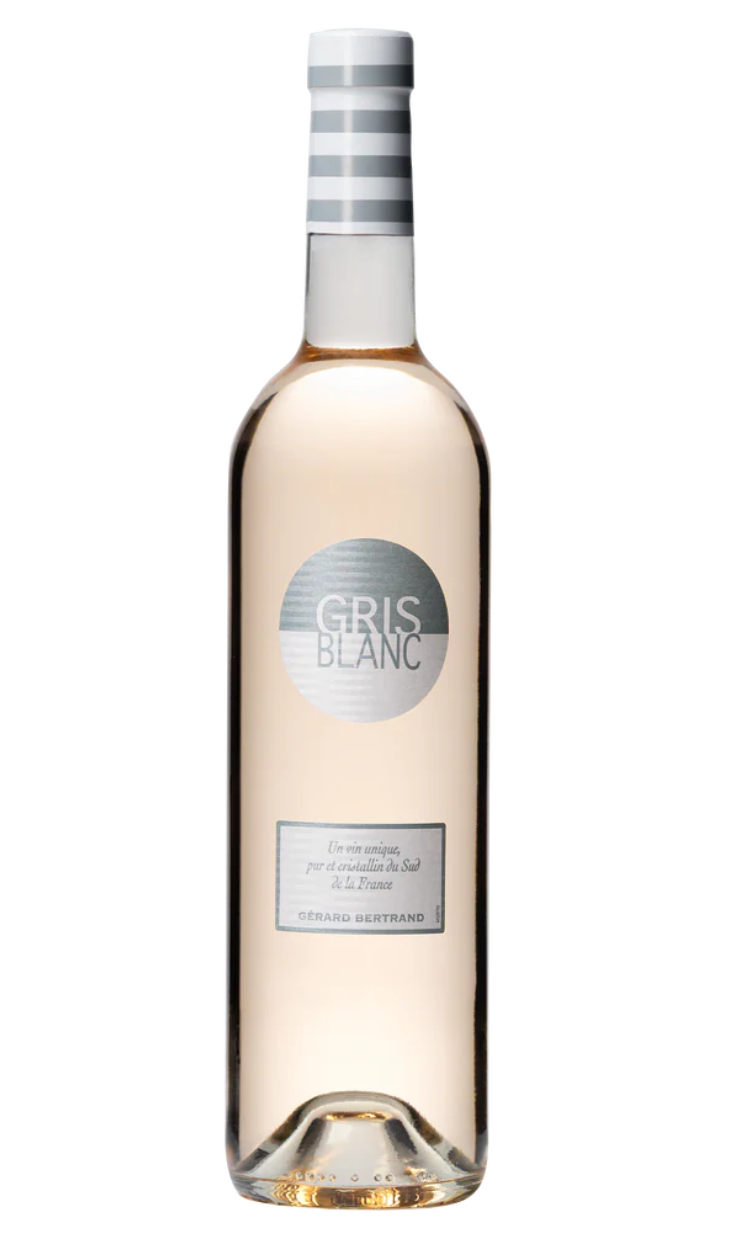
It comes from vineyards ideally located in the Tautavel region of Roussillon, where the Grenache variety fully expresses its aromas in a mild climate with optimal sunshine. The grapes are harvested by hand and immediately pressed. To preserve the aromatic finesse, each step is carried out under carbon dioxide, followed by fermentation at low temperature. A few weeks of maturation with lees perfect its texture before bottling. Elegantly crafted, this Gris Blanc is an excellent example of a contemporary rosé wine, with a distinctly fresh and light style. A rosé with an authentic profile, very light pink with shades of gray and white. The nose is dominated by notes of red fruit and freshness. On
the palate, the light bubbles add liveliness and highlight the intense fruity aromas, while the finish remains elegant, with a cool, mineral note that leaves a pleasant aftertaste.
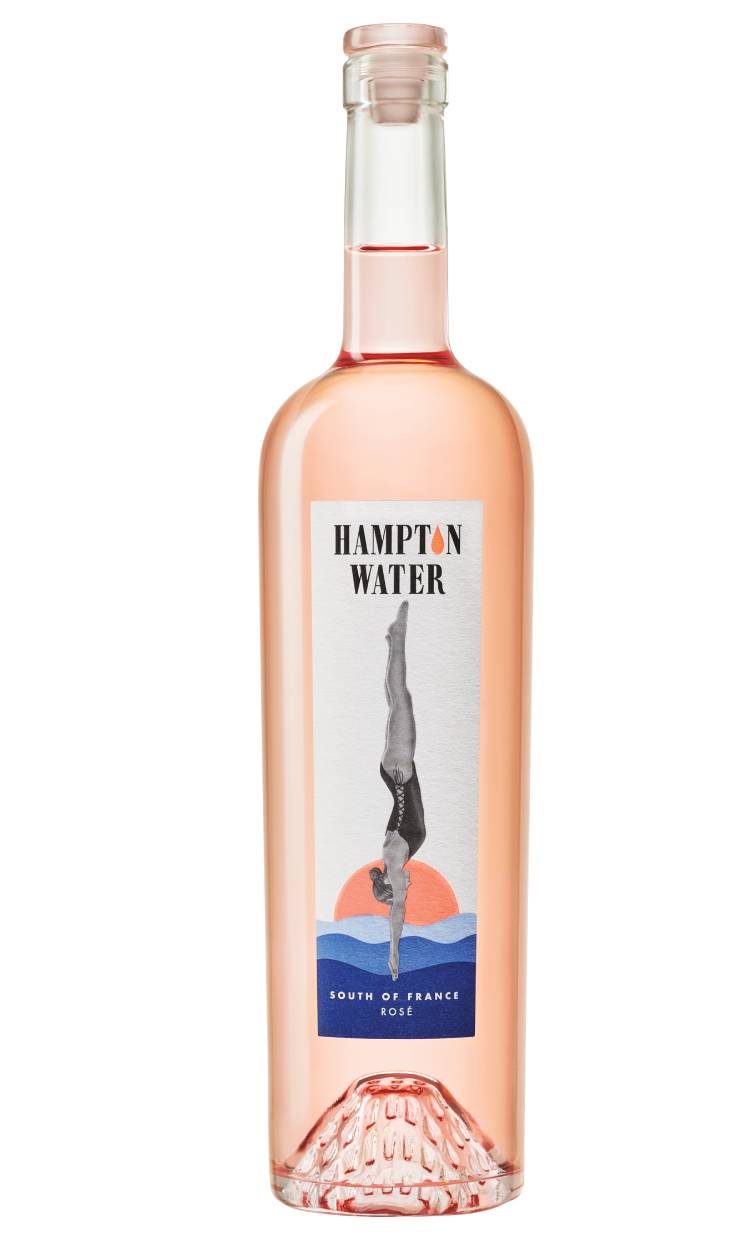
A fresh and lively rosé wine bearing the signature of Jon Bon Jovi. The story begins when Jesse and his father, Jon Bon Jovi, shared a vision to revolutionize the wine category with a brand unlike any other. The father-son duo created the Hampton Water Wine concept with Ali Thomas and attracted renowned French winemaker Gérard Bertrand. The brand launched in 2018 and quickly transcended the boundaries to become more than just another celebrity brand, but a family business that has garnered rave reviews and high ratings.
Elegant, with a lovely soft pink color. Expressive on the nose, with charming notes of red fruit, citrus, and spices. On the palate, it reveals a sense of minerality and has an impressively fresh and intense character that makes it the ideal companion for all occasions.
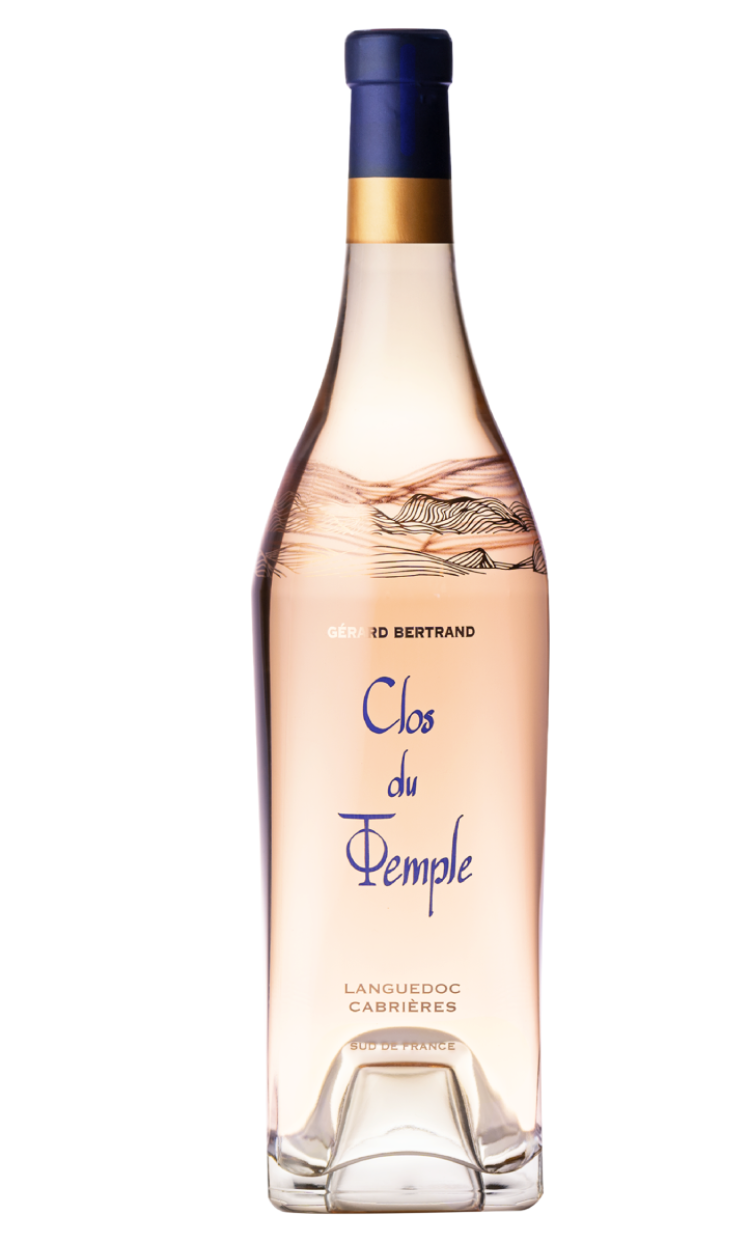
The terroir of Clos du Temple draws its uniqueness from its geological origins. Shaped over the last 250 million years by geomagnetic forces, it was formed during a rift that gave rise to the Massif Central and the Montagne Noire. The contact between two tectonic plates, schist and limestone, and the hilly terrain are the cause of a complex network of underground water circulation, which favors the excellent natural water supply to the vineyard and the emergence of a source of water of great purity. The altitude of 240 meters, combined with the south/southwest exposure, contributes to the production of a perfectly balanced wine with great aromatic freshness. The 12-hectare Clos du Temple vineyard consists of 11 small plots of land, hanging on the hillside, naturally surrounded by relief and vegetation. The very old Cinsault, Grenache noir, and Syrah varieties are the main grape varieties of the Cabrières appellation. The blend is complemented by the white Viognier, which adds originality and a pleasant aromatic complexity, and the red Mourvèdre, which adds the finishing touch and makes the wine so exceptional.
It is a perfectly balanced wine, with a full body, great length, and freshness. As the winery is located in the heart of the vineyard, transport time is minimal. The best juices are then selected and cold pressed to preserve their aromas and freshness, followed by alcoholic fermentation and 6-8 months of ageing on fine lees. Very light in color, bright rosé in appearance. The nose reveals aromas of ripe fruit (apricot, white peach), floral notes of rose, and spicy hints of green pepper. On the palate, the same aromas are enhanced with a subtle smoky sensation and linger until the finish. A wine with the potential to age for many years.
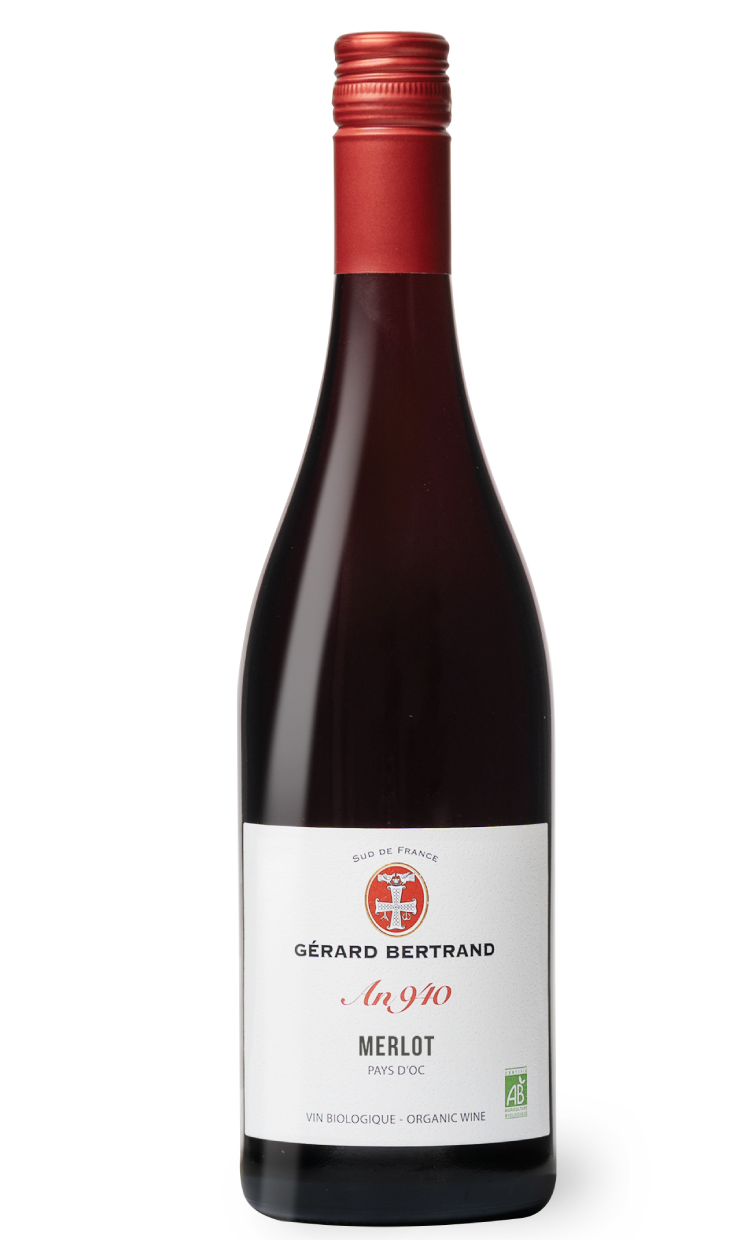
The year 940 listed on the label refers to the year the first written records of Languedoc appeared. This Heritage is made from hand-harvested Merlot grapes, which are destemmed and placed in stainless steel tanks. Alcoholic fermentation takes place at a controlled temperature, followed by malolactic fermentation, and finally the wine ages in tanks for several months before bottling. It has a deep red color with light violet highlights. On the nose, expressive notes of black currant and wild strawberry combine with a complex aromatic spectrum of mushroom and sweet spices. Round and aromatic on the palate, with an elegant structure, well-integrated tannins, and a delightful chocolate finish.
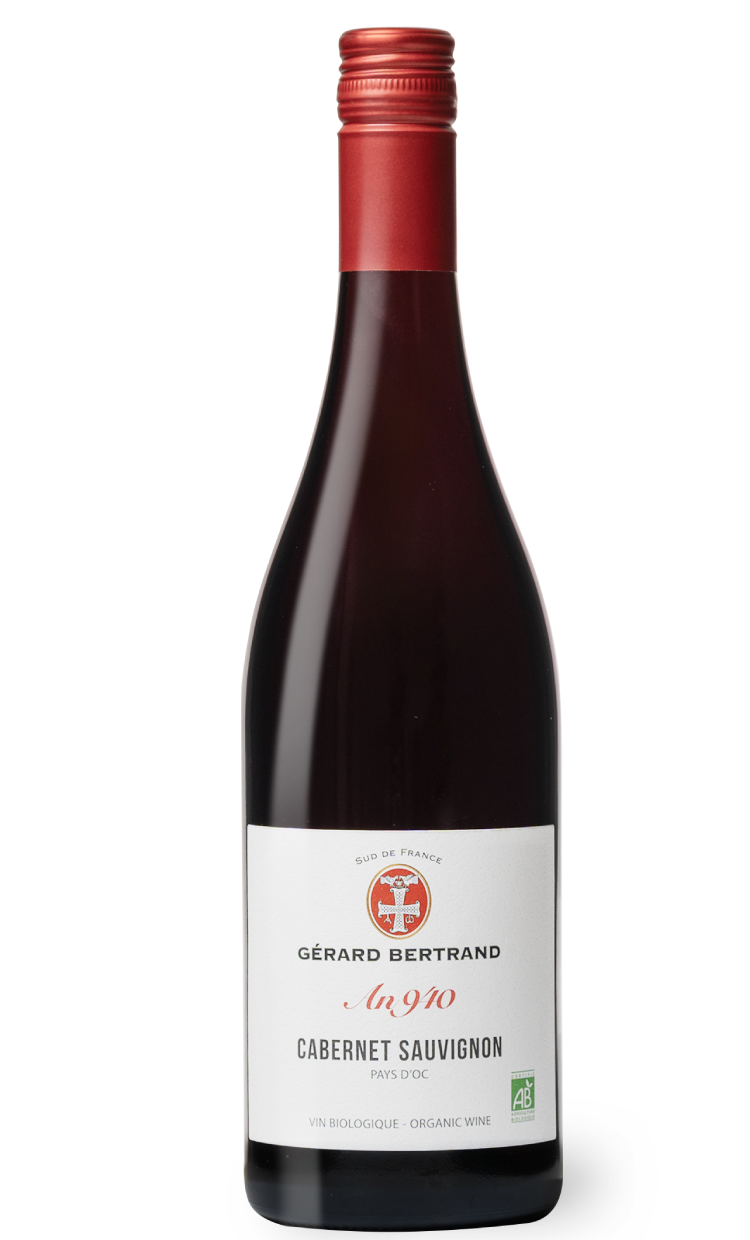
The grapes are harvested when they have reached ideal ripeness, so as to fully bring out the potential of the Cabernet Sauvignon variety. They are selected with great care; the harvest, destemming, crushing, and transfer to tanks, where alcoholic fermentation takes place. Subsequently, part of the wine is transferred to French oak barrels for several months and from there to the bottle for a considerable period before being released to the market. Notes of black currant and dark fruits emerge, with a subtle hint of chocolate and mocha. On the palate, the wine exhibits a rich body and a dense, full texture, with strong, well-integrated tannins. Flavorful, complex, and with rich spicy notes, it finishes with a fresh and refreshing aftertaste.
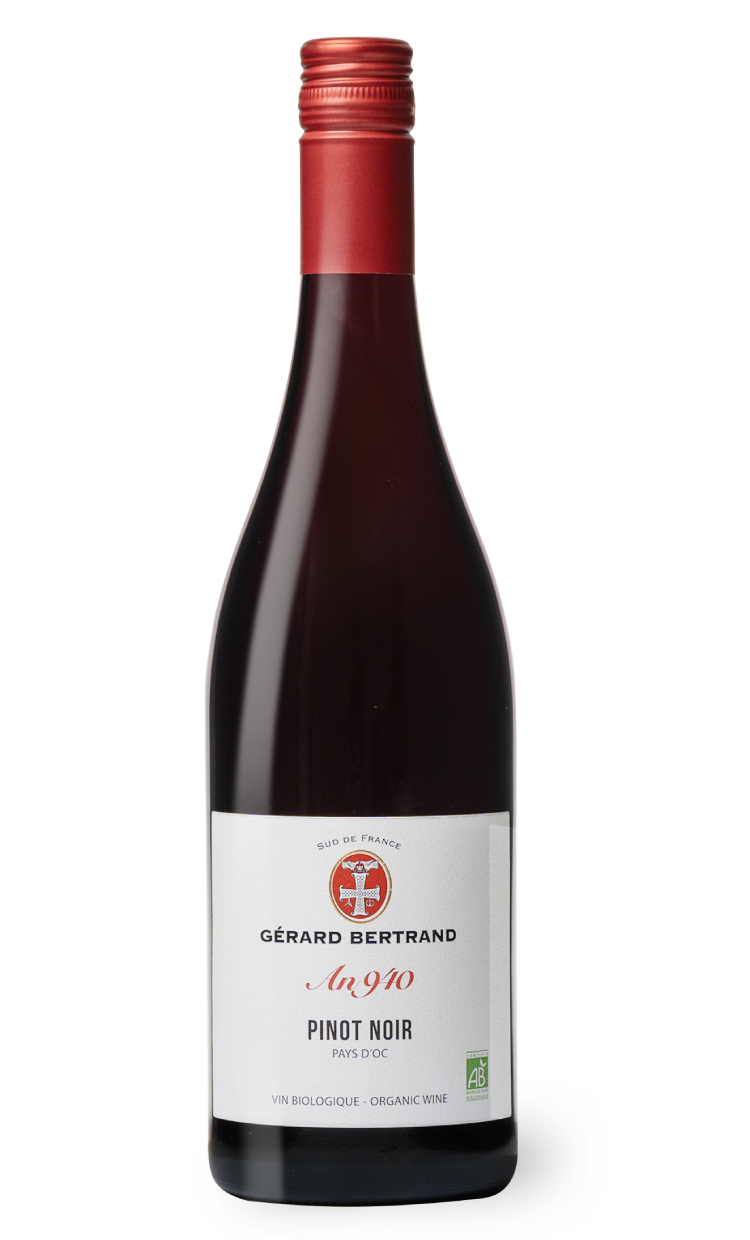
A "green harvest" is carried out in June, reducing plot yields and thus increasing grape quality. The bunches are harvested at the end of September when perfectly ripe. The berries are separated from the stalks by de-stemming, before being placed in vats for 10 to 15 days' maceration. Pigeage (punching down of the cap) and ageing allow the best of the skins to be extracted before pressing. Part of the wine is aged in 225-liter barrels before bottling.
The nose is dominated by ripe cherry aromas, enhanced by subtle notes of wild raspberry and spices. On the palate, the ripeness of the cherries is fully revealed, accompanied by a subtle toasted note that adds extra depth. The silky texture and persistent finish make this Pinot an exceptional wine, perfectly balanced.
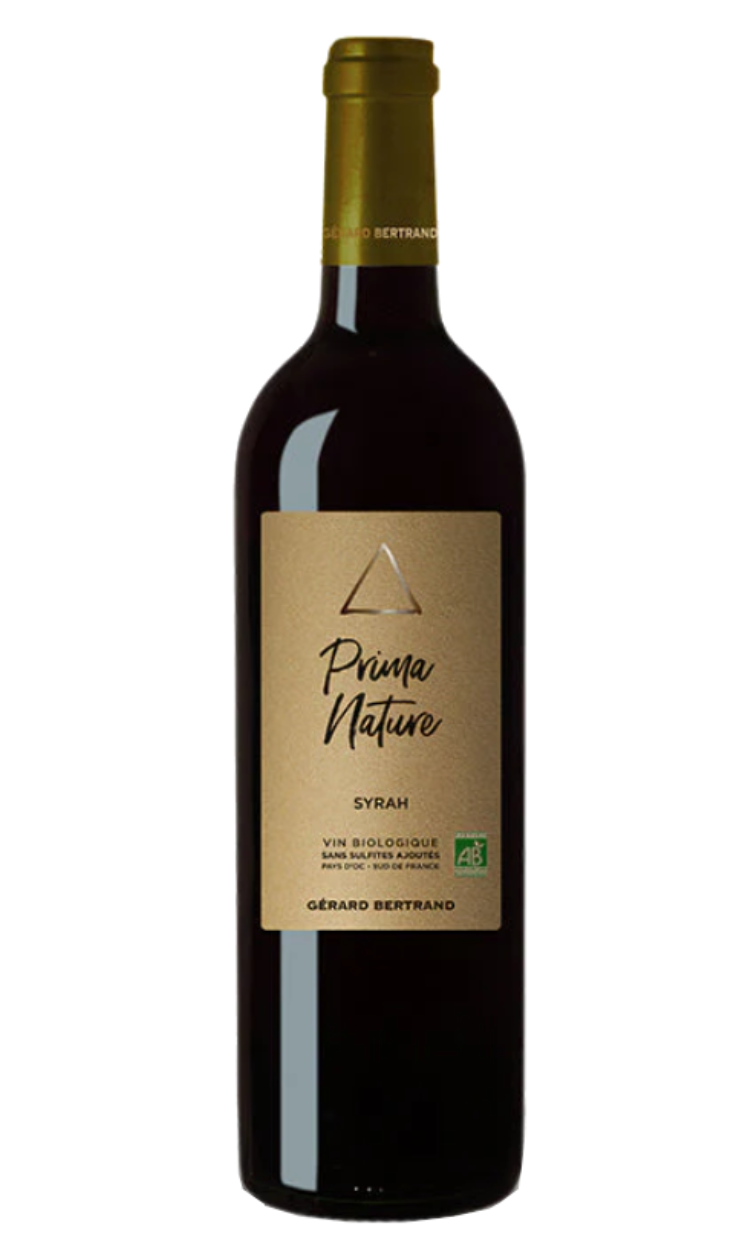
An organic and vegan wine made without added sulfites, Prima Nature Syrah showcases the varietal’s characteristics in the best possible way, while demonstrating the utmost respect for the environment. It is produced from organic grapes grown in the estate’s own vineyards, cultivated according to the strict standards of French organic farming. Natural and intense, fruity, with no added sulfites.
The work begins in the vineyard with a precise and meticulous selection of the plots best suited to produce this type of wine (90% of the final result is the result of this precision work): the state of health must be perfect, the foliage must be healthy, fresh and dense, and the grapes must be at an optimum level of ripeness. In fact, the harvest window is very small, as the acid/sugar balance and ripeness of the tannins are of paramount importance in this category of wine. Vinification of our red wines is very traditional, except that they use no SO2 or any other oenological input. The grapes are de-stemmed, and the maceration phase lasts around 10 days, during which they only work on extraction by daily pumping-over to encourage fruit expression. The wines are then racked to eliminate the coarsest lees before malolactic fermentation. Following malolactic fermentation, the wines are racked again, then chilled to ensure stability in the vat.
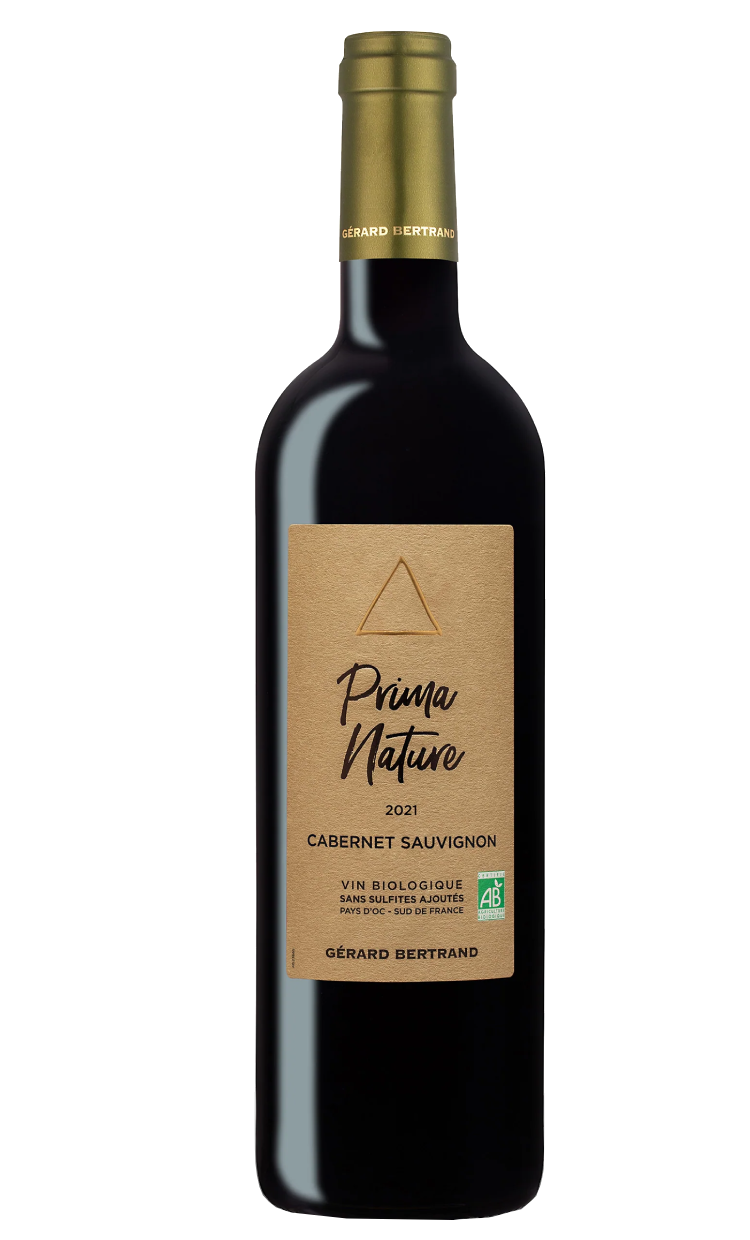
An organic and vegan wine made without added sulfites, Prima Nature Syrah showcases the varietal’s characteristics in the best possible way, while demonstrating the utmost respect for the environment. It is produced from organic grapes grown in the estate’s own vineyards, cultivated according to the strict standards of French organic farming. Natural and intense, fruity, with no added sulfites.
The work begins in the vineyard with a precise and meticulous selection of the plots best suited to produce this type of wine (90% of the final result is the result of this precision work): the state of health must be perfect, the foliage must be healthy, fresh and dense, and the grapes must be at an optimum level of ripeness. In fact, the harvest window is very small, as the acid/sugar balance and ripeness of the tannins are of paramount importance in this category of wine. Vinification of our red wines is very traditional, except that they use no SO2 or any other oenological input. The grapes are de-stemmed, and the maceration phase lasts around 10 days, during which they only work on extraction by daily pumping-over to encourage fruit expression. The wines are then racked to eliminate the coarsest lees before malolactic fermentation. Following malolactic fermentation, the wines are racked again, then chilled to ensure stability in the vat.
Deep red in color, with aromas of dark fruit and hints of herbaceous notes. Rich on the palate, well-structured with an elegant, fruity complexity.
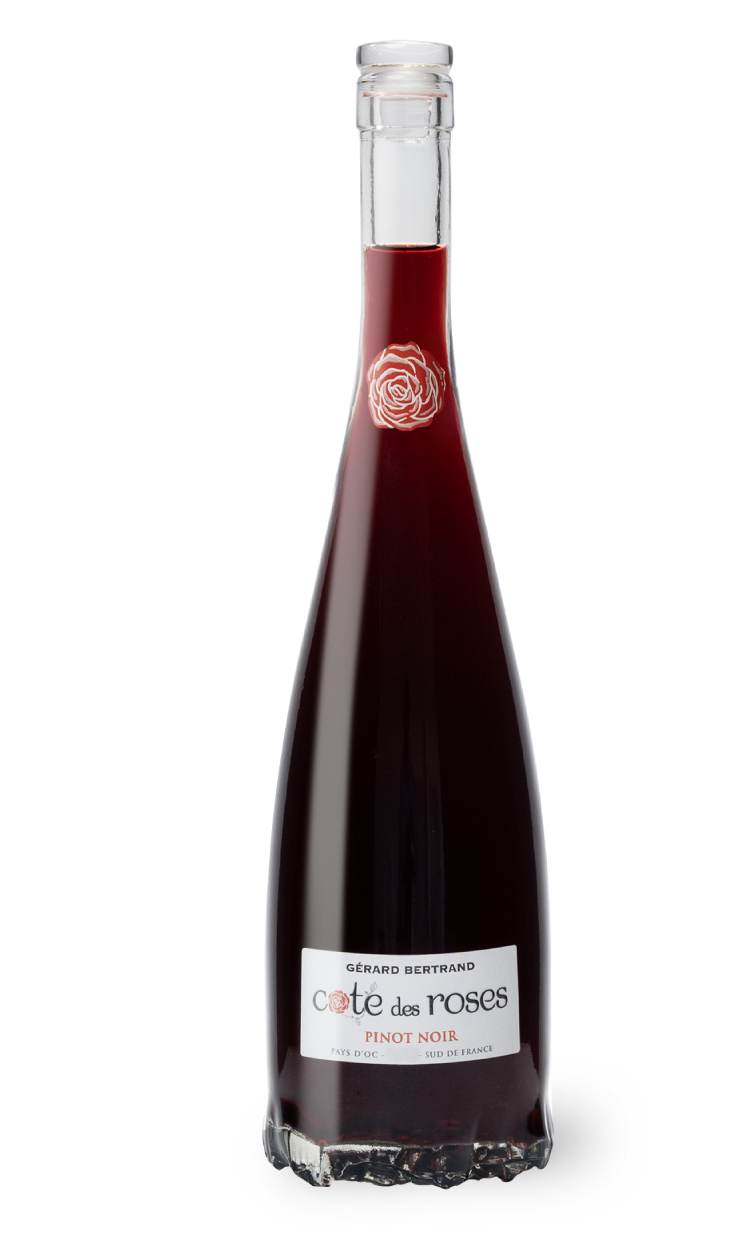
This Cote des Roses celebrates the MediterraneanArt de Vivre. The soil is highly varied, consisting mainly of the hard limestone of the garrigues, schistose soils and gravels brought in by the rivers of the Languedoc. The warm, windy climate ("semi-arid Mediterranean climate with mild winter variations") favors grape ripening and good health, while retaining coolness thanks to the altitude and the effect of the sea, which mitigates the high summer temperatures. The bottle, with its rose-shaped base, was created by a young designer from the Ecole Boulle. This wine is offered like a bouquet of roses!
This 100% Pinot Noir comes from the coolest vineyards in the region. The nose reveals notes of fresh fruit, such as cherry and wild berry, with subtle hints of spice. On the palate, it offers a velvety texture, silky tannins, and an elegant, well-balanced finish.
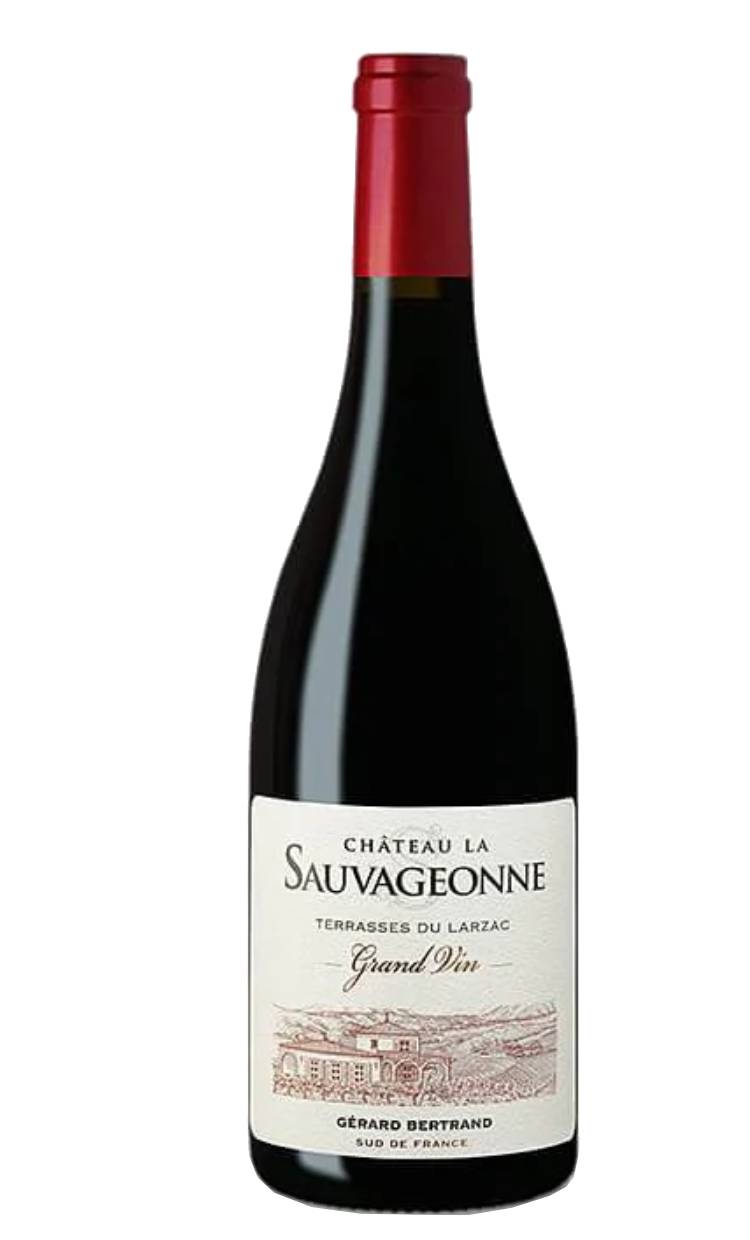
The organic red wine La Sauvageonne Grand Vin pays tribute to the appellation, thanks to the exceptional terroir and Gérard Bertrand's expertise. It is made from Grenache, Syrah, and Mourvèdre grapes. Low yields and manual harvesting guarantee perfectly ripe, healthy grapes, which are carefully selected. Each variety undergoes separate extraction for 20 to 25 days before aging for 12 to 16 months in new 225-liter barrels. The volcanic soils and schist of the two terroirs of La Sauvageonne ensure an ideal water balance, allowing for the steady, gradual development of the vines, which helps to achieve the remarkable finesse of the wine. Ruby red in color with spicy aromas and herbal notes combined with ripe black fruits. On the palate, it is full-bodied yet balanced with a pleasant aftertaste. This is a wine ready for consumption, with excellent aging potential.
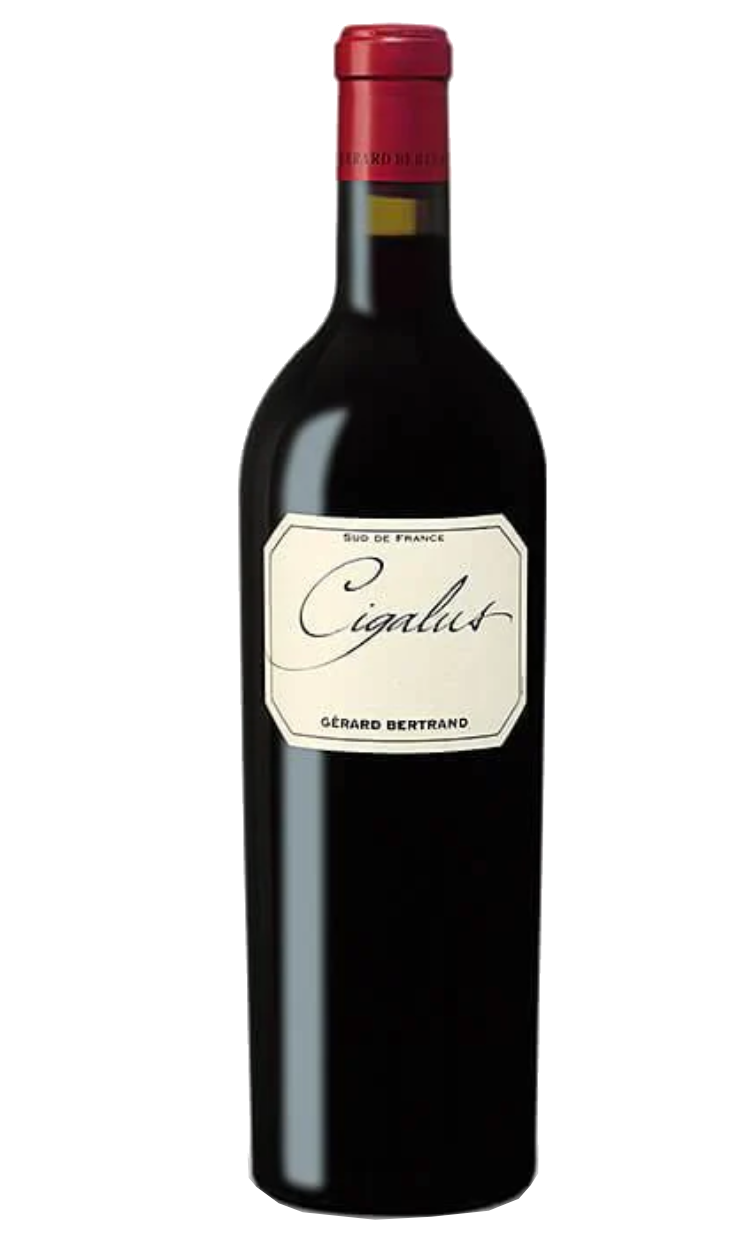
The Cigalus Rouge is one of the best wines produced by Gérard Bertrand under the IGP Pays d'Oc appellation, demonstrating once again the winery's expertise in producing exceptional wines.
It is made from Syrah, Cabernet Sauvignon, Cabernet Franc, Merlot, Caladoc, and Carignan, which come from vines that have been cultivated biodynamically since 2002. Yields are kept under control thanks to 15-year-old vines, cordon de Royat pruning, and green harvesting whenever necessary. After alcoholic fermentation, the wine is aged in new 225-liter barrels, where malolactic fermentation and further maturation take place before blending. It is then aged in the bottle for at least one year before release. Ruby red color with aromas of spices and herbal notes, combined
with ripe black fruits. Full-bodied and balanced on the palate with a pleasant aftertaste. This wine is ready to drink now, but it has excellent aging potential.
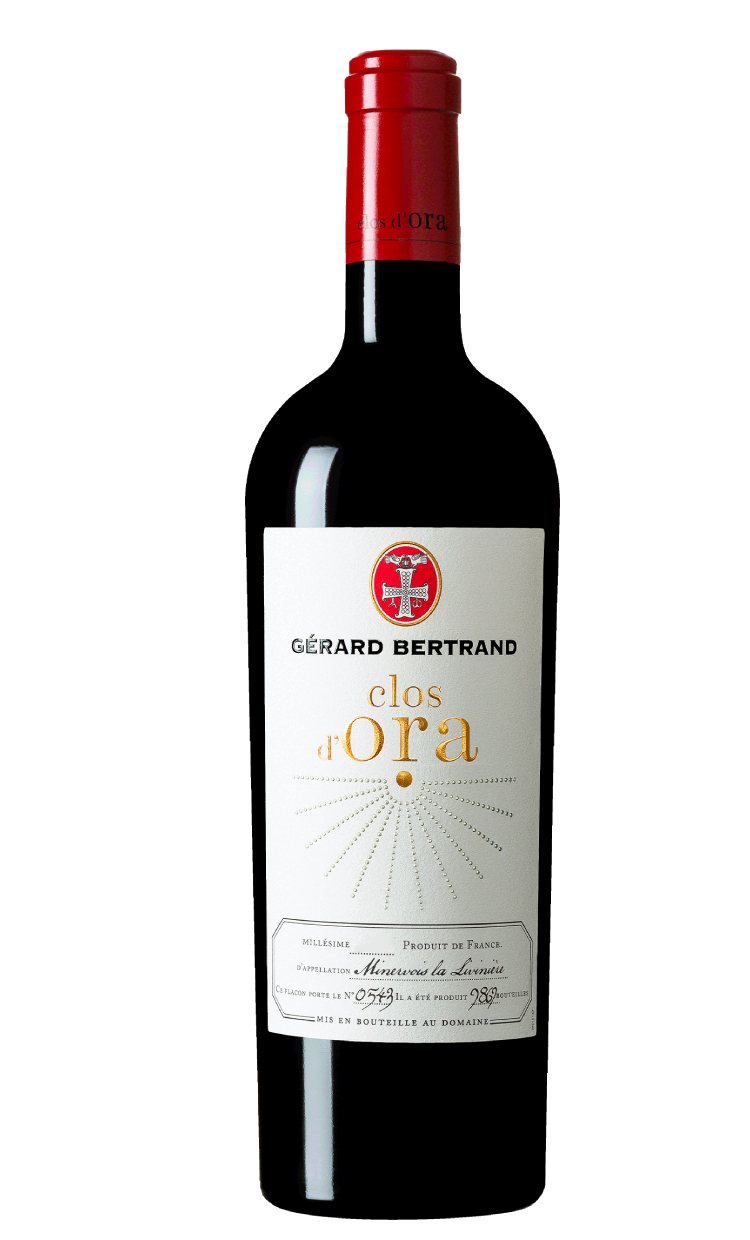
An exceptional wine, from a mysterious, unspoiled landscape, 200 meters above sea level. A wine that has already been recognized by wine critics as “A Grand Cru born in the Languedoc region.” A rare wine featured on the wine lists of some of the world’s finest restaurants.