
![ELEMENT[AL]](https://www.dynamiki-sa.gr/uploads/1/image_png/o_1j1b5qeal171f6oe1vcra0tf3ir.png)




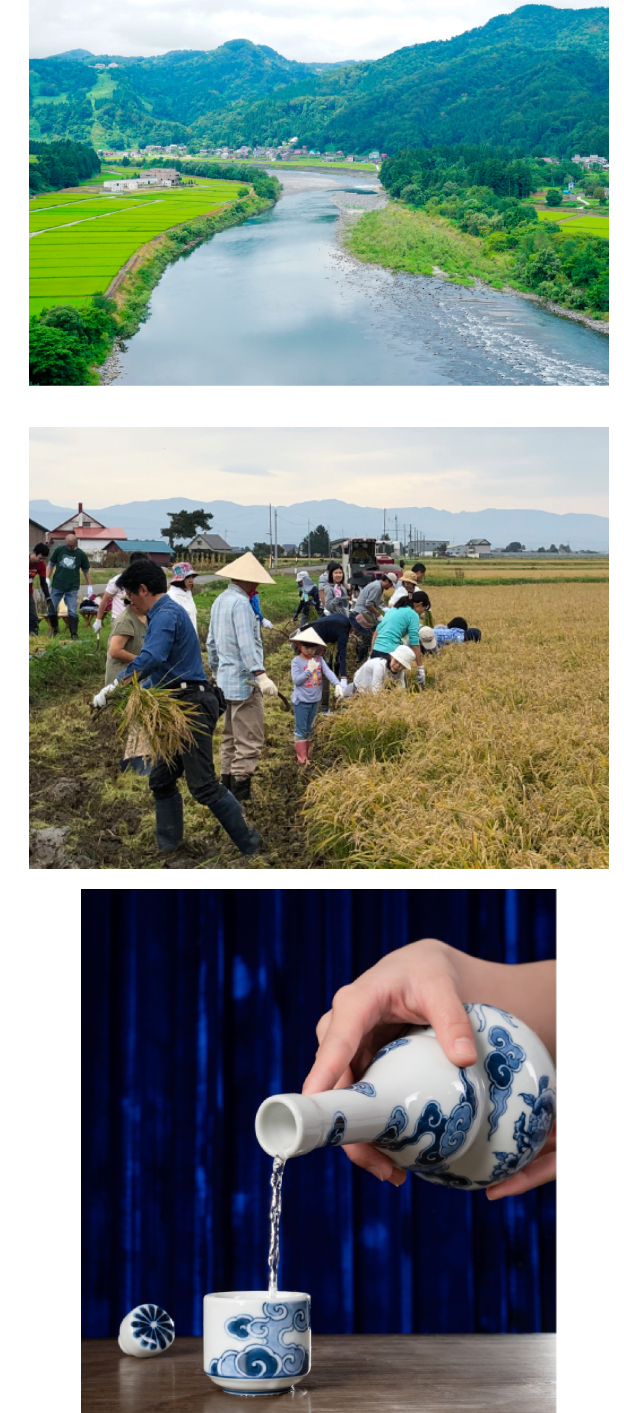
SAKEbito works closely with small family-run wineries in Japan, many of which have their roots in small local communities across the country. Supporting them means supporting the craftsmanship, local agriculture, and regional economies that underpin sake itself. Sakebito presents sake as an excellent choice for hospitality, events, and personal enjoyment, with bottles selected based on their quality, identity, and how they stand out at the table.
What Is Sake:
Sake, or Nihonshu (Japanese sake)—sake produced in Japan—is a fermented beverage made from four ingredients:
✓ Water (from specific sources)
✓ Rice
✓ Koji (Rice Koji)
✓ Yeast
The alcohol content is 22% or less, and for tax purposes, it is also called Seishu.
Factors that primarily determine its quality:
✓ Quality of the rice and water
✓ Degree of rice polishing
✓ Fermentation process
✓ Brewery technique
Sake has a scale used to indicate how sweet or dry it is, called the SMV (Sake Meter Value) or Nihonshu-do. It measures the density of the sake relative to water and is primarily influenced by the amount of sugars and alcohol.
• Positive values (+) → drier sake
• Negative values (−) → sweeter sake
However, SMV does not determine the flavor on its own, as acidity and aromas also influence the mouthfeel of sake.
How it’s made:
Sake production begins with polishing the rice, a process that removes unwanted fats, minerals, and proteins. The more polished the rice is, the higher its starch content, which results in a better and cleaner taste in the sake. The polished rice is steamed and fermented with koji (a microorganism also used to make miso and soy sauce) and is the most essential ingredient in sake. Saccharification: The fungus is cultured on the steamed rice, and as it grows, it produces enzymes that break down the rice’s complex carbohydrates into simple sugars.
Umami: In addition to starches, it also breaks down proteins into amino acids, which give sake its characteristic umami flavor.
Basic Categories / Types of Sake
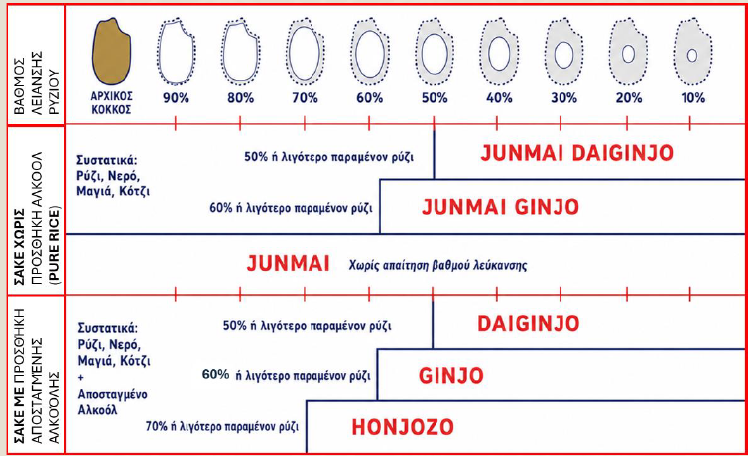
Sake is divided into 6 basic categories, based on the rice polishing ratio and the amount of additional alcohol added.
The Quality Pyramid
Junmai (Pure Sake): Made only from rice, water, and koji. It has a fuller, earthier flavor and a pronounced rice character (umami).
Non-Junmai (With Added Alcohol): The producer adds a small amount of pure alcohol at the end. This doesn’t make it heavier, but it “unlocks” intense floral and fruity aromas, making it lighter and fresher.
Ginjo or Daiginjo: “premium” sake made from rice that has been polished to a greater degree.
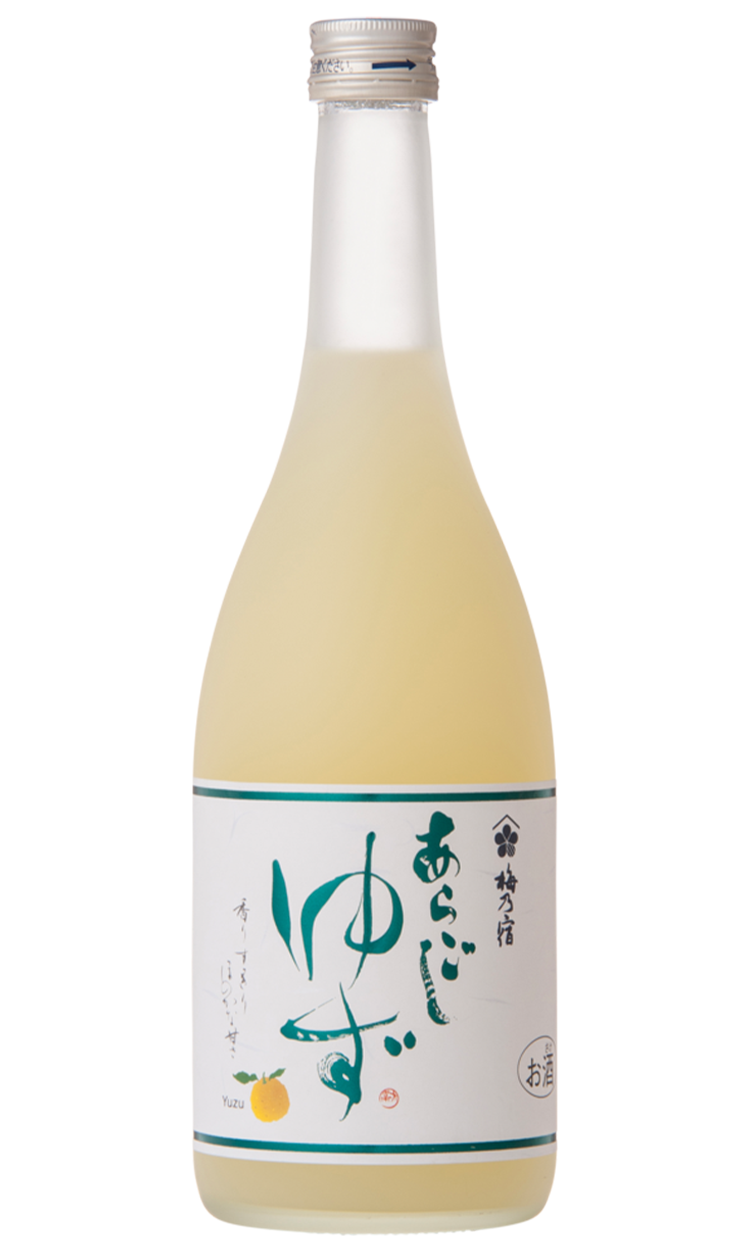
The Umenoyado Brewery was founded in 1893. It combines the historic traditional methods of Nanbu with modern production technology.
Unique Production Methods
A key feature of its production is the in-house rice polishing system, which is rare among sake breweries. This allows for complete control over the size and quality of the grains, while reducing the time between polishing and fermentation, thereby minimizing the risk of moisture or spoilage that could affect the rice’s quality. Aragoshi Yuzu is produced by blending fresh Japanese yuzu juice with the brewery’s junmai sake. Each 720-ml bottle contains approximately 8 ml of yuzu, offering an intense, natural, and very balanced citrus flavor.
Taste Profile
Aroma: An intense, lively burst of fresh yuzu with light bitter notes.
Taste: Clean and smooth, with a balance of freshness and mild sweetness from the blend with sake.
Aftertaste: Long, delicious, and refreshing—very pleasant without being overly sweet.
Food Pairings
It pairs well with seafood, white meats, and fried dishes, as its fresh acidity and aromatic elements cleanse the palate, complement mild flavors, and balance out richness. It also pairs well with creamy desserts, light cakes, and ice cream, as its refreshing acidity and aromatic profile enhance sweetness, balance the creamy texture, and offer a clean, refreshing aftertaste.
Serving Suggestions : An alternative to citrus liqueurs.
On the rocks: Ideal for letting the fruit’s flavor shine through.
Highball with sparkling water: Perfect as an aperitif or paired with light dishes.
Yuzu Spritz (Yuzu + sparkling wine)
With tonic water: The bitterness blends with the aromas of yuzu, creating a more complex profile.
With ginger ale: The spicy sensation enhances the aroma and adds warmth to the flavor.

Producer: Seto Brewery
Alcohol: 16.0%
Rice: Saga no Hana and Yamada Nishiki
Rice polishing ratio: 60%
SMV: -4
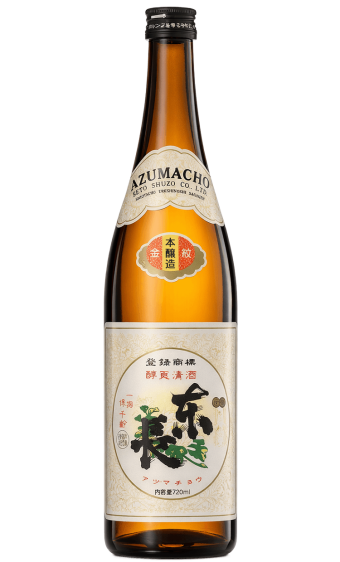
Founded in 1789, Seto Shuzo is one of the oldest sake breweries in Saga Prefecture, with over 200 years of history in the city of Ureshino. Azumacho sake gained national recognition early on (from imperial recognition through the postwar era) and continues to embody a timeless commitment to high-quality, well-balanced production.
Seto Shuzo is located in a tranquil rural basin in the Shiota district of Ureshino City, in the western part of Saga Prefecture. The area stretches across the upper basin of the Shiota River and is surrounded by gentle mountains, such as Mount Kunimi (813 m) and Mount Kokuzo (608 m). As part of the fertile Saga Plain, the area offers rich agricultural land and clean water sources, creating ideal conditions for rice cultivation and sake production.
The climate is warm and humid, suitable for growing sake rice, while the region’s naturally sheltered terrain provides stability and protection throughout the brewing season.
Saga no Hana & Yamada Nishiki Rice
Saga no Hana offers a rich, rounded sweetness and body, while Yamada Nishiki provides an aromatic, full-bodied profile with a clean and elegant finish.
Taste Profile
Body: Medium-bodied with mild intensity, balancing sweetness and savory notes without excess.
Aroma: A refined, fruity Ginjo character, with a subtle hint of toasted grains.
Taste: Clean sweetness and intense rice umami blend into a well-rounded whole.
Aftertaste: With a light acidity that delivers a fruity, refreshing finish, often with a subtle hint of grapefruit.
Recommended food pairings
Pairs perfectly with breaded white meats, seafood, and creamy dishes, as its sweetness and umami bring out the mild caramelized flavors, complement the gentle richness, and enhance the creamy texture without weighing it down.
Serving Temperatures
Chilled (8–12°C): The sweetness is toned down, resulting in a cleaner, more intense fruity acidity.
Room temperature (15–20°C): Sweetness, umami, and acidity are perfectly balanced, resulting in a rounder and more expressive texture.
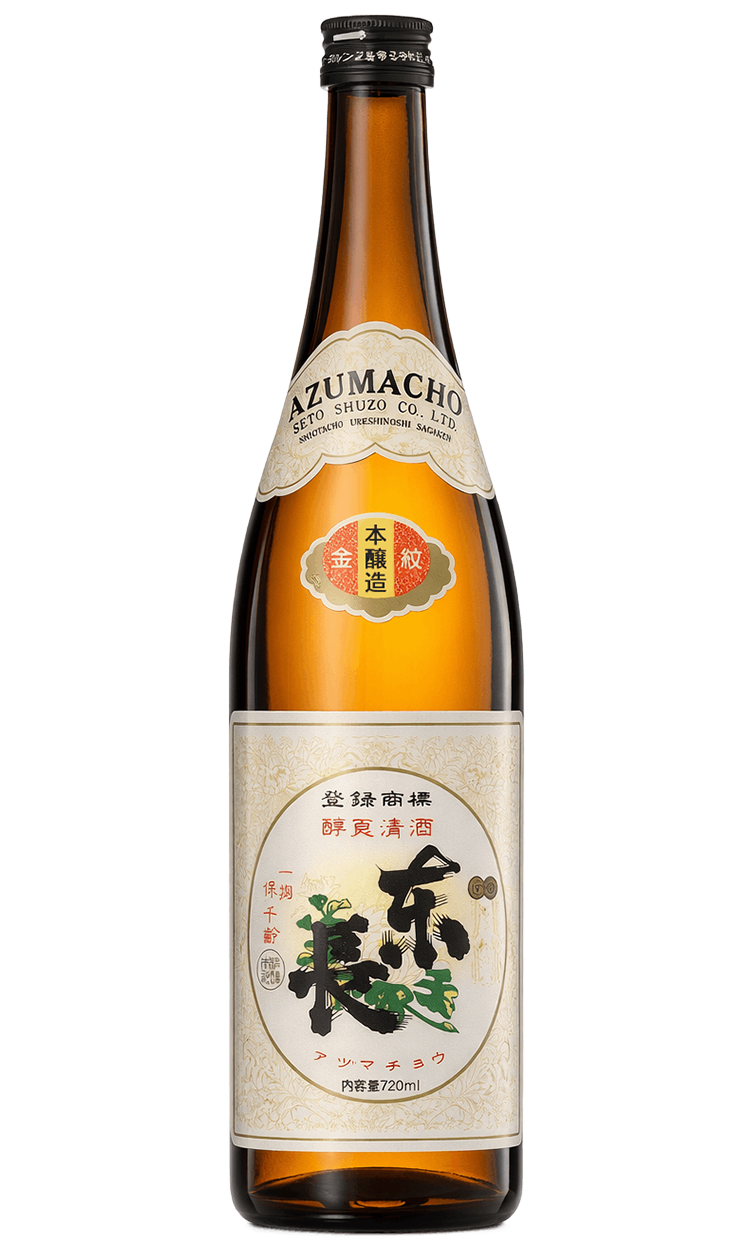
Founded in 1789, Seto Shuzo is one of the oldest sake breweries in Saga Prefecture, with over 200 years of history in the city of Ureshino. Azumacho sake gained national recognition early on (from imperial recognition through the postwar era) and continues to embody a timeless commitment to high-quality, well-balanced production.
Seto Shuzo is located in a tranquil rural basin in the Shiota district of Ureshino City, in the western part of Saga Prefecture. The area stretches across the upper basin of the Shiota River and is surrounded by gentle mountains, such as Mount Kunimi (813 m) and Mount Kokuzo (608 m). As part of the fertile Saga Plain, the area offers rich agricultural land and clean water sources, creating ideal conditions for rice cultivation and sake production.
The climate is warm and humid, suitable for growing sake rice, while the region’s naturally sheltered terrain provides stability and protection throughout the brewing season.
Producer: Brewery Seto
Alcohol:15.0%
Rice:Reihou
Rice polishing ratio 68%
SMV : -8
Reihou Rice
It provides a clean and balanced foundation, allowing sweetness and umami to blend harmoniously without overpowering the final product.
Taste Profile
Body: Features a mild and gentle sweetness supported by subtle umami. It has a moderate body.
Aroma: Subtle and understated, with notes of steamed rice and mild dairy. Low-intensity aromas of ripe fruit.
Taste: Clean and smooth with a round, slightly creamy texture.
Aftertaste: A light, bitter “burst” at the finish keeps the aftertaste clean and refreshing.
Recommended flavor pairings
It pairs well with roasted poultry, creamy dishes, and root vegetables, as its mild sweetness and umami balance rich textures, highlight caramelized notes, and enhance roasted flavors without weighing down the palate.
Serving Temperatures
Chilled (8–12°C): The natural sweetness is subdued, and the flavor profile is cleaner and crisper.
Room temperature (15–20°C): The most balanced expression of sweetness and umami.
Warm (40–45°C): The sweetness and umami intensify, while maintaining a clean aftertaste.

Producer: Takasago Brewery
Alcohol: 15.5%
SMV: +0 Rice: Ginpu | Rice polishing ratio: 55%
Takasago Brewery was founded in 1899. It takes advantage of the natural climate of the Hokkaido region, and in 1926, it became the first brewery to win a gold medal at the Japan National Sake Competition.
In Hokkaido, winter temperatures drop below -20°C with heavy snowfall. This contributes to the production of sake with crystal-clear clarity and refined depth. The soft water from the Chubetsu River’s underground aquifers is extremely low in iron, giving the sake a mild, smooth, and lively character.
Snow Maturation
Taisetsu is produced using the snow maturation method, in which the fresh sake is placed in sealed tanks and aged for approximately 100 days under a thick layer of snow. The mass of snow acts as natural insulation, maintaining a constant temperature of approximately -2°C and allowing for gentle maturation without artificial cooling or the risk of oxidation.
Taste Profile
Structure: Aging in the snow tempers the sharp imbalances of fresh sake, creating a rounded, pleasant sensation.
Aroma: Subtly fruity, balanced Ginjo aromas.
Taste: Mild umami that adds depth, without feeling bulky or heavy.
Aftertaste: Dry, clean, and subtle, with a smooth and pleasant finish.
Recommended flavor pairings
Pairs well with raw or lightly cooked seafood, white meats, creamy dishes, and fried foods, as its clean and balanced profile cuts through the richness, enhances the depth of flavor, and maintains freshness on the palate without overwhelming the taste.
Serving Temperatures
Chilled (6–9°C): Maximum flavor clarity, more pronounced acidity, with a subtle aromatic expression.
Chilled (9–12°C): The most balanced temperature, where the texture expands and the rounded character resulting from snow aging comes to the fore.
Storage temperature (12–15°C): The umami becomes more pronounced and the body fuller, making it ideal for richer dishes.
Serving Temperatures
Chilled (5–10°C): Highlights the wine’s freshness and extremely dry character. Room temperature (15–20°C): The most balanced choice. It highlights the harmony between the rice’s acidity and umami.
Warm (40–50°C): Enhances the richness and body. It brings out a subtle sweetness while maintaining the full-bodied, dry finish.

Producer: Yonetsuru Brewery
Alcohol: 15.0%
Rice: Dewanosato | Rice Polishing Ratio: 65%
Yonetsuru is considered a pioneer in the production of ginjo-style sake and is a leader in the premium sake movement in
The city of Takahata is a region surrounded by hills and mountains, with cold winters and moderately humid summers—conditions ideal for rice cultivation and fermentation. The climate also contributes to the clean and refreshing character that defines the brewery’s sake.
The Dewanosato rice variety has low protein levels, which contributes to the sake’s clean flavor profile and its elegant, crisp finish.
Taste Profile
Structure: Extremely dry with a medium to full body. It has a pronounced umami character that balances the dryness.
Aroma: Subtle, with mild cereal notes and a gentle minerality.
Taste: A clean and intense first impression, with a distinct umami core.
Aftertaste: Strong and brief, leaving a sensation of freshness and purity.
Recommended food pairings
It functions like a dry white wine and balances intense and rich flavors. Its dryness cleanses the palate of fatty and heavy elements, while its acidity helps cut through the richness of creamy dishes and reduce the burning sensation from spicy foods, leaving a clean and refreshing aftertaste.