![ELEMENT[AL]](https://www.dynamiki-sa.gr/uploads/1/image_png/o_1j1b5qeal171f6oe1vcra0tf3ir.png)

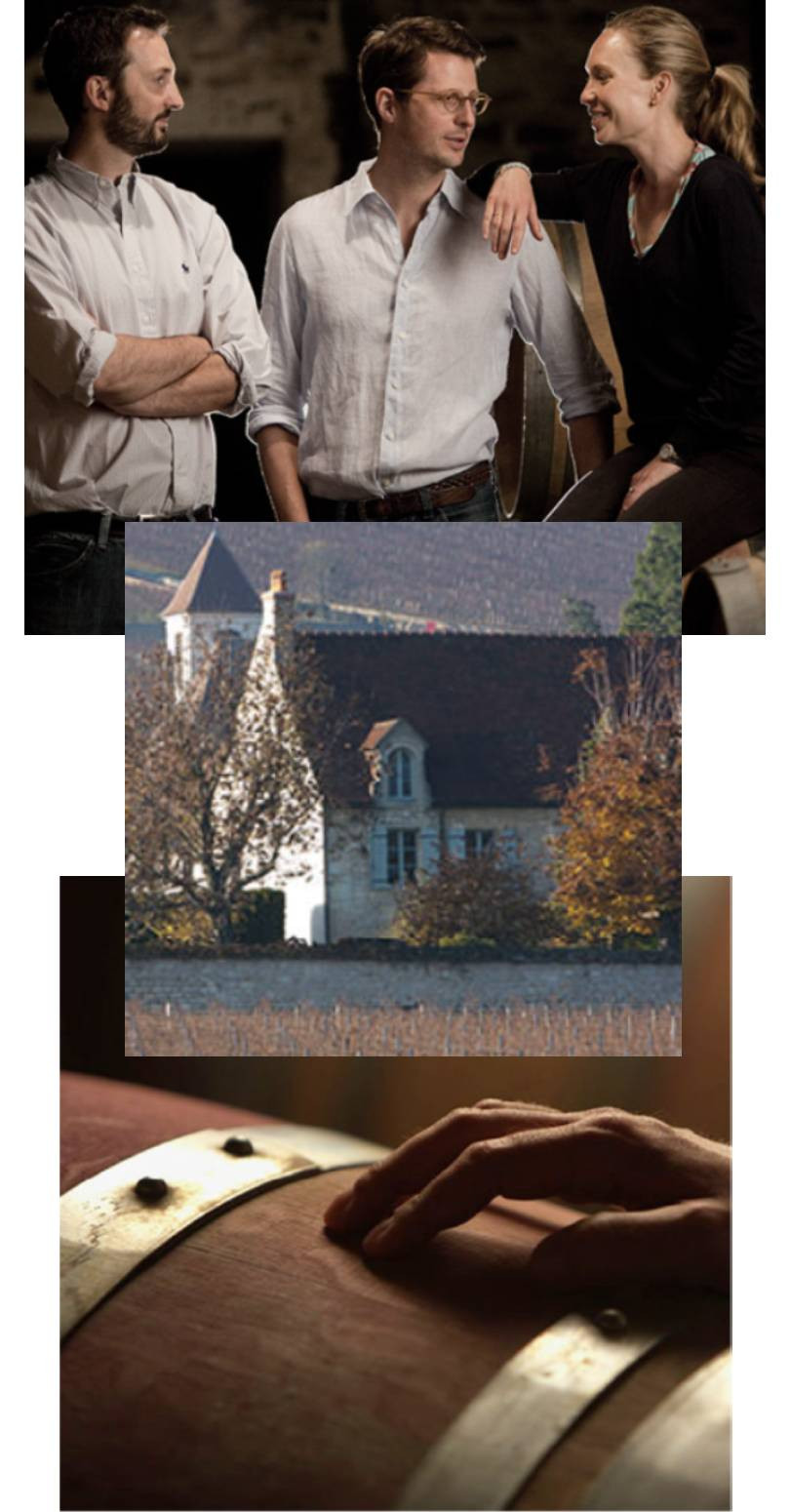
Domaine Dujac was founded in 1968 by Jacques Seysses, who, although not born in Burgundy, discovered his true calling in winemaking. Influenced by his father's love for fine wine, he decided to leave the family biscuit business and apprentice with Gérard Potel at Domaine de la Pousse d'Or. In 1968, he acquired Domaine Graillet in Morey-Saint-Denis and renamed it Domaine Dujac. Together with his wife Rosalind, who became an integral part of the winery, he expanded the vineyards and laid the foundations for a family tradition. The next generation took over in the late 1990s, with their son Jeremy joining the winery in 1998, his wife Diana in 2001, and his brother Alec in 2003.
Emphasizing sustainability, they achieved organic farming certification in 2011 and introduced biodynamic practices. Under their management, the estate expanded to 15.5 hectares in 2005 and further expanded to Puligny-Montrachet in 2014, securing a presence in both Côte de Nuits and Côte de Beaune.
Domaine Dujac prioritizes the health of its vineyards, believing that exceptional wine starts from the vine. It employs organic and biodynamic methods to maintain the balance of the terroir, avoiding chemical interventions and promoting biodiversity. In the cellar, it applies a minimal intervention approach, aiming to preserve the natural characteristics of the grapes. Its wines stand out for their balance, elegance, and purity, reflecting both the vintage and the unique terroir from which they originate.
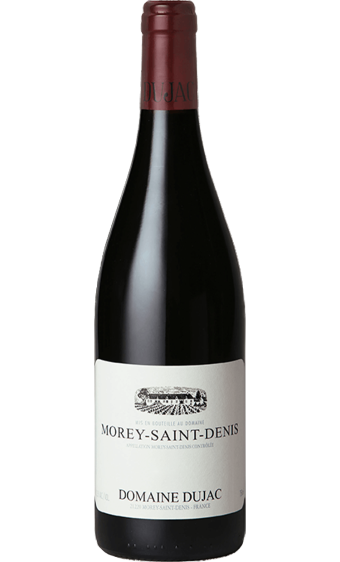
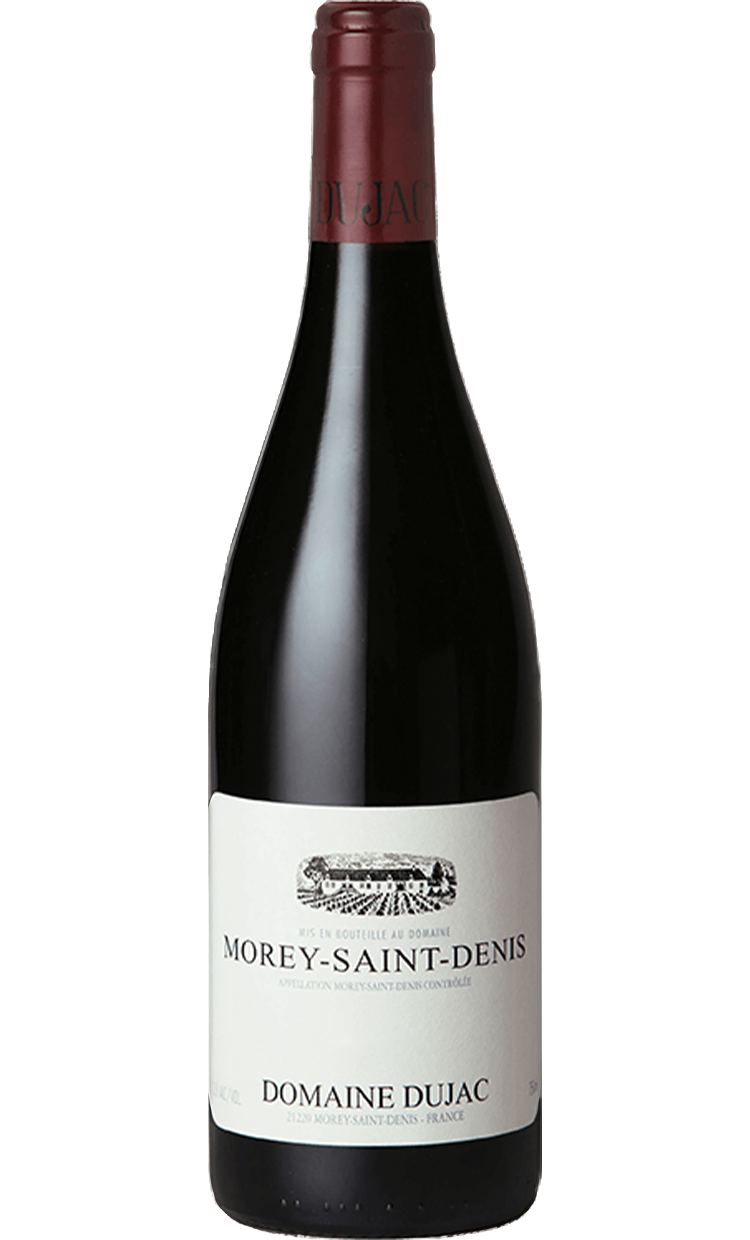
The red wine from Morey-Saint-Denis comes from 6 plots at the foot of the slope, west of the road (RD 974), and east of the village of Morey-Saint-Denis, where the slope is slight (3%). The plots range in altitude from 249 to 264 meters, facing northeast to due south. The loamy soil is less stony than higher upslope, with patches of Comblanchien limestone fragments in some parts. The Pinot Noir variety gives exceptional results in this terroir, a fact that is perfectly captured in the wine.
Brilliant in appearance, with an attractive ruby color. On the nose, it is complex with aromas of black plum and violet dominating, complemented by earthy notes. On the palate, it has a beautiful, velvety texture, with sweet fruits emerging in a satisfyingly long finish. The tannins are well integrated, offering a balanced and elegant tasting experience.
Available vintage : 2022
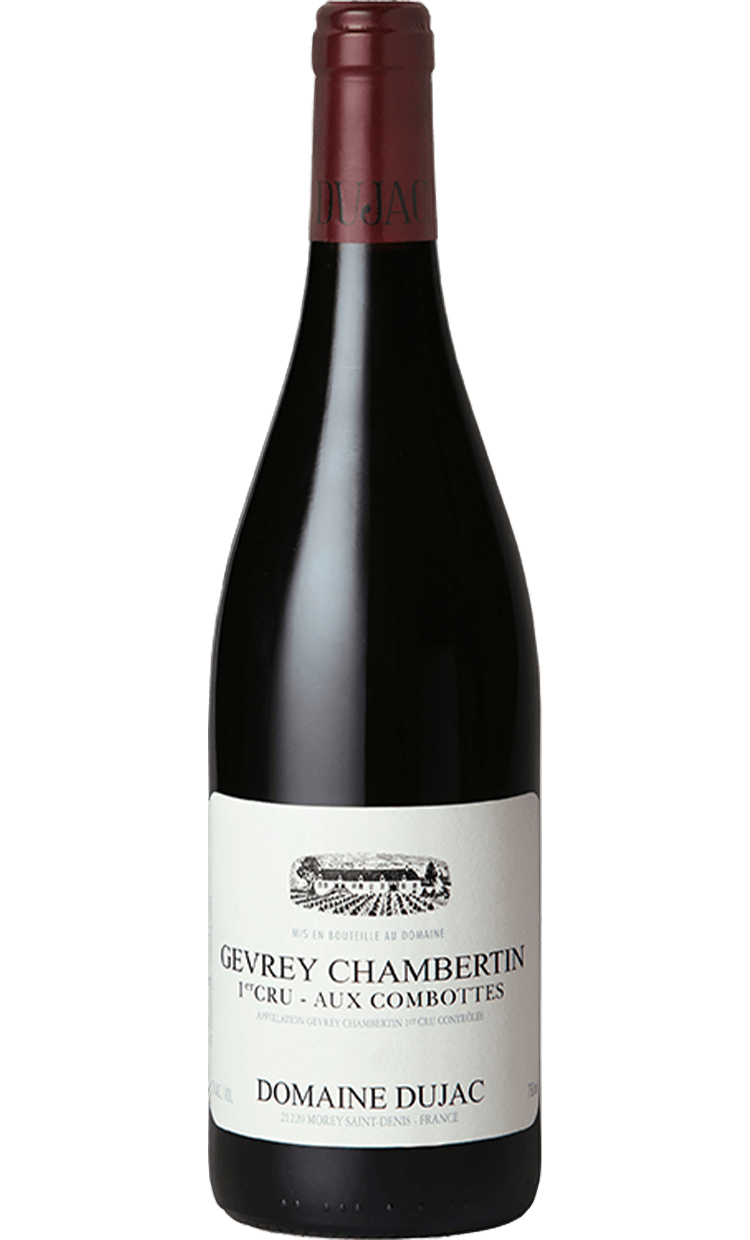
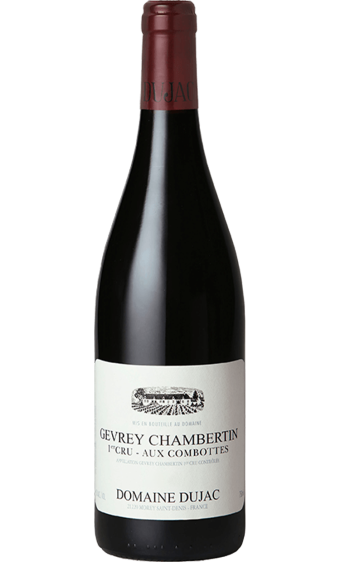
Les Combottes, a lieu-dit south of the village of Gevrey-Chambertin, lies halfway up the hill, just below the steep incline of Les Monts Luisants, in a steeply sloping area (5–6%). Ranging in altitude from 271 to 282 meters, this lieu-dit faces due east. The ripening of the grapes is exceptional, due to the microclimate of the area, and is perfectly reflected in the character of the wine.
Deep ruby in appearance, it unfolds an extremely captivating and seductive profile on the nose, with complex aromas of black fruits such as raspberry and black cherry, along with notes of spices, earthy nuances, and subtle hints of oak. On the palate, it has a rich and multi-layered flavor, with ripe black fruits, secondary notes of forest and mushrooms, as well as a hint of leather. Its texture is elegant, with fine tannins and balanced acidity that adds freshness. The finish is long and refined, reflecting the unique terroir of the vineyard.
Available vintages : 2021,2022
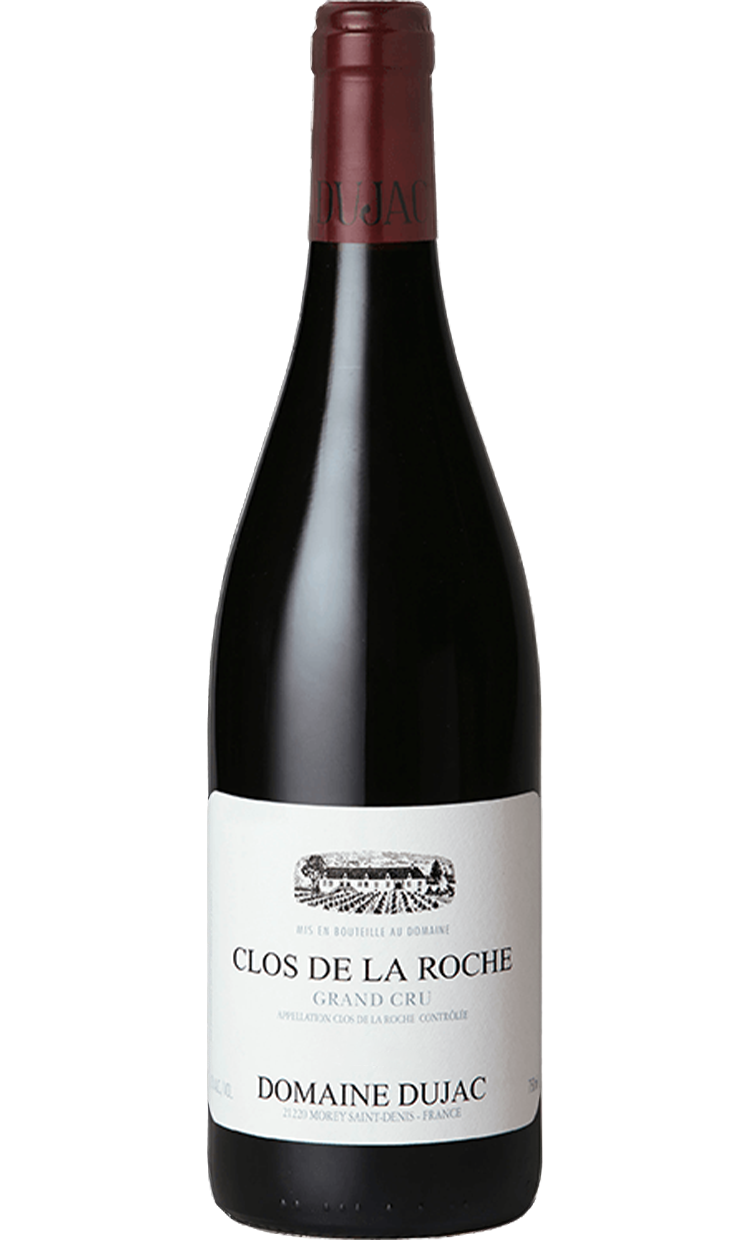
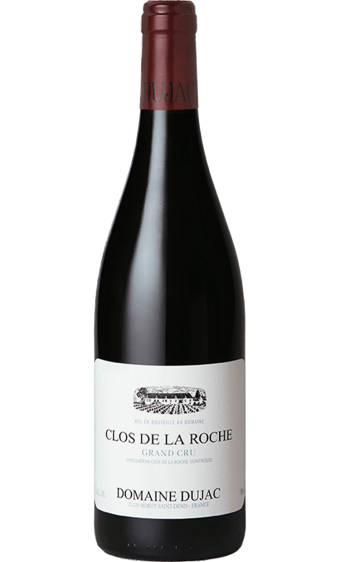
The Clos de la Roche Grand Cru is located between the village of Morey-Saint-Denis to the south and Gevrey-Chambertin to the north, where the slope varies significantly, ranging from 4% to 23%. The vineyard extends at an altitude of 276 to 308 meters, while the soil composition changes from east to west, contributing to the uniqueness of the wine's characteristics.
Aromatically, it presents notes of black fruits, such as raspberry and black cherry, accompanied by hints of licorice, clove, as well as subtle shades of blueberry and currant. On the palate, the wine is full-bodied with deep and concentrated flavor, featuring a pure and vibrant core of fruit, framed by fine tannins and lively acidity. The finish is long, with notes of rose and spicy nuances.